Alright, so the holidays are here, and maybe you’re looking to pack on some muscle. But the thought of gaining a bunch of extra fat along with it? Not ideal. This article is all about how to nail your holiday lean bulk meals. We’ll cover how to eat smart, fuel your workouts, and still enjoy the season without feeling stuffed and bloated. Think of it as building muscle, not just gaining weight.
Key Takeaways
- Focus on whole, nutrient-dense foods as the base of your holiday lean bulk meals.
- Use the 80/20 rule: 80% clean eating, 20% room for enjoyable treats.
- Prioritize protein intake to support muscle growth and recovery.
- Spread meals out evenly throughout the day to maintain energy and muscle protein synthesis.
- Don’t forget sleep and recovery are just as important as your diet for successful muscle gain.
Mastering Your Holiday Lean Bulk Meals
Alright, let’s talk about how to actually eat for growth during the holidays without feeling like a stuffed turkey afterwards. It’s all about being smart with your food choices, and honestly, it’s not as complicated as it sounds. We’re aiming for that sweet spot where you’re fueling muscle gain but not packing on extra fluff you don’t want.
The Foundation: Prioritizing Whole Foods
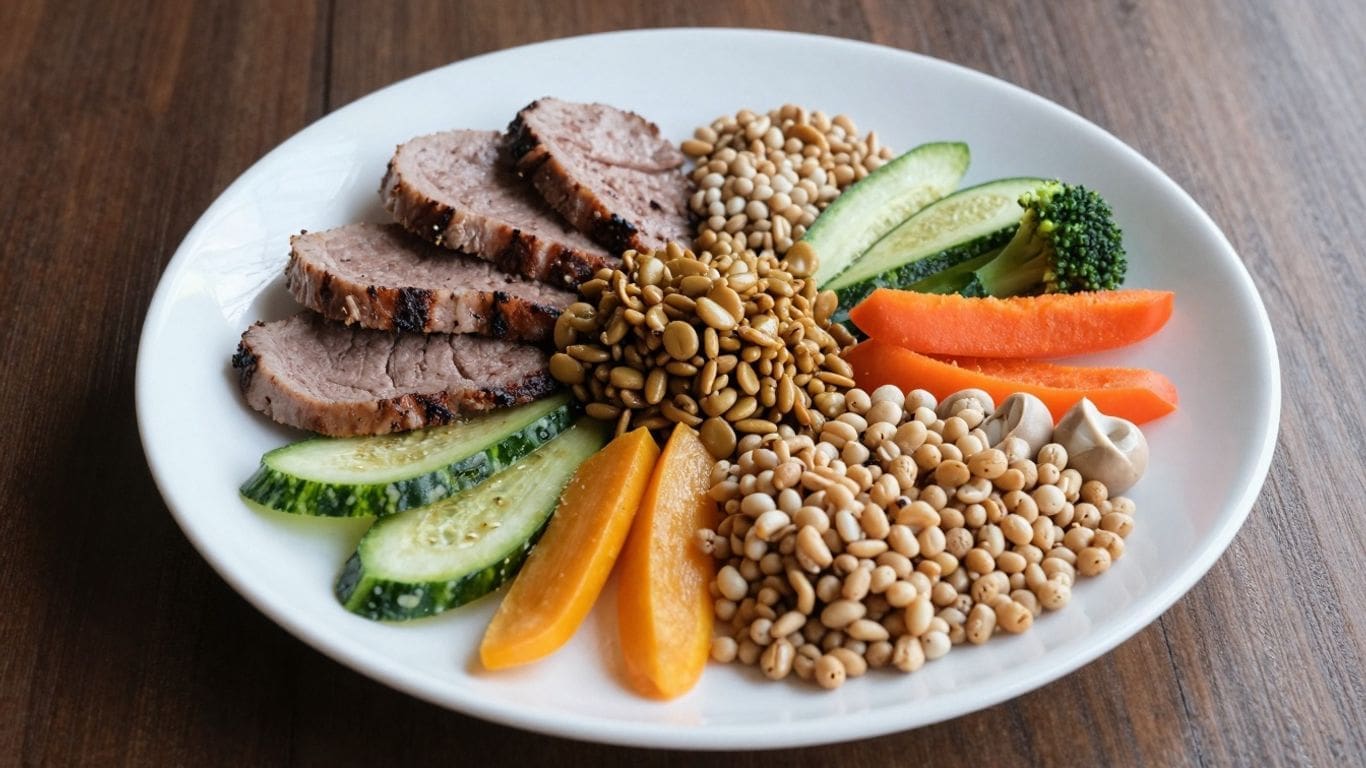
Think of this as the bedrock of your lean bulk. We want to build our meals around foods that are minimally processed. This means leaning into things like lean meats, fish, eggs, fruits, vegetables, and healthy fats. These foods give you the nutrients your body needs to build muscle and recover, without a ton of extra stuff that can lead to that bloated feeling. It’s not about being perfect 100% of the time, but making these the stars of your plate most of the time.
- Lean Proteins: Chicken breast, turkey, lean beef, fish, eggs, Greek yogurt.
- Complex Carbs: Oats, brown rice, quinoa, sweet potatoes, whole-grain bread.
- Healthy Fats: Avocados, nuts, seeds, olive oil.
- Fruits & Veggies: All the colors of the rainbow for vitamins and fiber.
The goal here is to make sure the bulk of your diet, say 80%, comes from these nutrient-dense sources. This way, you’re getting quality fuel for your workouts and recovery.
Balancing Indulgences: The 80/20 Rule
Now, the holidays are, well, the holidays! There are going to be treats, special meals, and maybe a few extra drinks. That’s totally fine. The 80/20 rule is your best friend here. It means you aim for about 80% of your food intake to be from those whole, nutritious sources we just talked about. The other 20%? That’s where you can fit in those holiday favorites, a dessert, or a less-than-perfect meal. This approach helps you enjoy the season without completely derailing your progress. It’s about balance, not deprivation.
Strategic Carb Choices for Growth
Carbohydrates are your primary energy source, and they’re super important for fueling intense workouts and replenishing glycogen stores after you train. When you’re bulking, you need enough carbs to support muscle growth. However, the type of carbs you choose can make a difference in how you feel. Focusing on complex carbohydrates like oats, brown rice, quinoa, and sweet potatoes provides sustained energy and fiber, which helps with digestion and keeps you feeling fuller for longer. While simple carbs can be useful around workouts for quick energy, making complex carbs the bulk of your carb intake will help you avoid that sluggish, bloated feeling often associated with a ‘dirty bulk’.
Fueling Your Gains: Smart Meal Strategies
Alright, let’s talk about actually eating to grow without feeling like a balloon. It’s not just about shoveling food in; it’s about being smart with your choices and timing. We want muscle, not just extra padding, right?
Calorie Surplus Without the Bloat
Getting enough calories is the name of the game for bulking, but how do you do it without feeling constantly stuffed or sluggish? The trick is to focus on nutrient-dense foods that pack a punch. Think about incorporating things like healthy fats from avocados, nuts, and seeds, and choosing complex carbohydrates that release energy steadily. It’s about quality over just quantity. Aim for a moderate surplus, maybe an extra 250-500 calories per day, to start. This gives your body the fuel it needs for muscle growth without overdoing it.
Here’s a quick look at some good calorie boosters:
- Greek Yogurt: High in protein and probiotics, great for digestion.
- Ground Meat: Easier to digest than whole cuts and packed with protein and fats.
- White Rice: A simple, easily digestible carb source that’s great for quick energy.
- Oats: More fiber and micronutrients than white rice, though a bit slower to digest.
- Eggs: A complete protein source with healthy fats and essential vitamins.
Remember, the goal is to fuel muscle growth, not just add weight indiscriminately. Small, consistent additions to your daily intake can make a big difference over time.
Hitting Your Protein Goals Effortlessly
Protein is the building block of muscle, so you absolutely need to get enough. For most lifters aiming to build muscle, shooting for around 0.8 to 1 gram of protein per pound of body weight is a solid target. But how do you actually get that much without making every meal a protein shake?
- Start your day strong: Include protein in your breakfast, like eggs or Greek yogurt.
- Spread it out: Aim to have a good protein source with every meal and snack.
- Convenient sources: Keep things like pre-cooked chicken breast, canned tuna, or hard-boiled eggs on hand for quick protein boosts.
Don’t forget that whole foods are your best friend here. Chicken, fish, lean beef, eggs, dairy, and even plant-based options like lentils and beans all contribute. If you’re struggling, a quality whey protein supplement can be a helpful addition, but it shouldn’t be your only source. Check out some ideas for protein-rich foods.
The Power of Balanced, Spread-Out Meals
Eating a few massive meals might seem efficient, but it can leave you feeling uncomfortably full and can lead to energy crashes. Instead, focus on eating 3-6 balanced meals spread evenly throughout your day. This approach helps maintain a steady supply of nutrients to your muscles and keeps your energy levels more consistent. Each meal should ideally contain a good source of protein, some healthy carbs, and a bit of fat. This consistent fueling helps your body utilize nutrients more effectively for muscle repair and growth. It’s about creating an anabolic environment throughout the day, rather than just a few short bursts.
Delicious Holiday Lean Bulk Meal Ideas
Hearty & Wholesome Dinner Options
When you’re aiming for a lean bulk, especially around the holidays, dinner is your chance to really pack in the nutrients and calories without feeling overly stuffed. Think meals that are satisfying and packed with protein and good carbs. A big pot of chili, made with lean ground meat and plenty of beans, is a fantastic option. It’s easy to make a large batch, and it reheats well, making it perfect for busy days. Another great choice is a hearty beef and potato stew, loaded with vegetables. Or how about some salmon with roasted potatoes and a side of greens? It’s got healthy fats, protein, and complex carbs all in one plate. Stir-fries with your favorite lean protein and a generous serving of rice are also super versatile and can be loaded with veggies.
Satisfying Breakfasts and Lunches
Breakfast is a great time to start your day with a solid protein and carb combo. Scrambled eggs with some lean turkey sausage and a side of whole-wheat toast is a classic for a reason. If you prefer something quicker, a big bowl of oatmeal mixed with protein powder and topped with berries and nuts can keep you full for hours. For lunches, leftovers from dinner are your best friend. If you need something fresh, a large chicken salad sandwich on whole-grain bread or a big lentil soup with a side of crusty bread can hit the spot. Don’t forget to add some healthy fats, like avocado, to your sandwiches or salads.
Smart Snack Swaps for Extra Calories
Snacks are where you can really boost your calorie intake without feeling like you’re eating full meals all the time. Instead of reaching for chips, try a handful of almonds or walnuts. Greek yogurt with a drizzle of honey and some fruit is another excellent choice, offering protein and carbs. If you need something more substantial, a protein shake blended with some oats, banana, and peanut butter can be a calorie-dense, nutrient-rich option. Hard-boiled eggs are also easy to prep ahead and provide a good protein punch. Making smart snack choices helps you hit your calorie and protein targets without feeling bloated.
Remember, the goal is to eat enough to grow, but to do it with foods that make you feel good and provide sustained energy. Don’t be afraid to experiment with different meals and find what works best for your body and your taste buds.
Navigating the Bulking Journey
Clean Bulk vs. Dirty Bulk: What’s the Difference?
Alright, let’s talk about the two main ways people approach bulking. You’ve got your ‘dirty bulk’ and your ‘clean bulk’. A dirty bulk is basically eating whatever you want, whenever you want, as long as it gets you into a calorie surplus. Think pizza, ice cream, burgers – the works. It’s fast, and yeah, you’ll probably gain weight, but a lot of that will be fat, not just muscle.
On the flip side, a clean bulk is all about being more strategic. You’re still eating in a surplus to build muscle, but you’re focusing on nutrient-dense whole foods. This means more lean proteins, complex carbs, and healthy fats. The goal here is to gain as much muscle as possible while keeping the fat gain to a minimum. It takes a bit more planning, but most people find it leads to a better physique in the long run.
Consistency is Key: Embracing the Process
Bulking, especially a clean bulk, isn’t a sprint; it’s more like a marathon. You’re not going to see massive changes overnight. It requires showing up day after day, meal after meal, workout after workout. Some days will feel easier than others, and that’s totally normal. The trick is to not get discouraged when you have an off day or two. Just get back on track with your next meal or your next workout. Consistency over perfection is the name of the game here. Think about it like building a house – you lay one brick at a time, and eventually, you have a solid structure. The same applies to building muscle.
Here’s a little breakdown of what consistency looks like:
- Daily Nutrition: Hitting your calorie and protein targets most days.
- Training Schedule: Sticking to your planned workouts, even when you don’t feel like it.
- Rest and Recovery: Prioritizing sleep and giving your body time to repair.
Listening to Your Body During Growth
This is a big one, and honestly, it’s something a lot of people overlook. While you’re pushing yourself to eat more and train harder, it’s super important to pay attention to what your body is telling you. Are you constantly feeling bloated and uncomfortable? Maybe you’re eating too much too fast, or perhaps certain foods just aren’t agreeing with you. Feeling excessively fatigued even after a good night’s sleep? That could be a sign you need more rest or that your training intensity is a bit too high right now.
Your body is pretty smart. It’ll give you signals if something’s off. Ignoring them can lead to burnout, injury, or just feeling generally miserable, which isn’t going to help you reach your goals. So, take a moment each day to check in with yourself. How are you feeling, physically and mentally? Adjusting your plan based on these signals is a sign of progress, not failure.
Here are a few things to keep an ear out for:
- Digestive Issues: Persistent bloating, gas, or discomfort.
- Energy Levels: Consistent fatigue or lack of motivation.
- Sleep Quality: Trouble falling asleep or staying asleep.
- Performance: A noticeable drop in strength or endurance during workouts.
Beyond the Plate: Supporting Your Bulk
So, you’ve got your clean meals dialed in, you’re hitting your calorie and protein targets, and you’re feeling pretty good about this whole holiday bulk thing. That’s awesome! But here’s the thing: fueling your body with the right food is only part of the equation. To really make those gains stick and feel your best, you’ve got to pay attention to what’s happening off the plate too. It’s like building a house – you need a solid foundation (food), but you also need good construction practices and materials (sleep, recovery, training) to make it stand strong.
The Crucial Role of Sleep and Recovery
Seriously, don’t sleep on sleep. When you’re hitting the gym hard and eating to grow, your body is doing a ton of repair work, and that happens mostly when you’re catching Z’s. Aiming for 7-9 hours of quality sleep each night isn’t just about feeling less groggy; it’s when your muscles actually rebuild and get stronger. Plus, good sleep helps keep your hormones in check, which can make a big difference in how your body uses those extra calories for muscle instead of just fat.
Think of recovery like this:
- Muscle Repair: During sleep, your body releases growth hormone, which is key for repairing muscle tissue damaged during workouts.
- Energy Restoration: Your body replenishes its energy stores, getting you ready for your next training session.
- Hormonal Balance: Proper sleep helps regulate hormones like cortisol (the stress hormone) and testosterone, both important for muscle growth and body composition.
If you’re consistently cutting your sleep short, you’re basically sabotaging your own progress. It’s that simple.
Mindset Matters: Loving Your Body Through Growth
This part can be tough, especially during a bulk. You’re intentionally eating more, and yes, the scale is going up. It’s super easy to get caught up in the numbers or feel a bit self-conscious if you’re not used to carrying a little extra padding. But try to shift your focus. Instead of just looking at the scale, think about how much stronger you’re getting, how your clothes are fitting differently (in a good way!), and how much more energy you have.
It’s a mental game as much as a physical one. Remind yourself why you’re doing this – to build a stronger, more capable physique. Celebrate the small wins, like hitting a new personal best in the gym or feeling more confident in your workouts. This phase is about building, and that takes time and a positive outlook.
Remember, this is a phase. You’re not going to be in a calorie surplus forever. Embrace the process, be patient with yourself, and try to appreciate the changes happening, even the ones that aren’t perfectly defined yet.
Training Smart for Optimal Muscle Gain
While we’re focusing on clean eating for this bulk, don’t forget that your training needs to be on point too. You can’t just eat a surplus and expect muscles to magically appear. You need to give your body a reason to build that muscle.
- Progressive Overload: This is the golden rule. You need to consistently challenge your muscles by gradually increasing the weight, reps, or sets over time. If you do the same thing every workout, your body has no reason to adapt and grow.
- Focus on Compound Lifts: Exercises like squats, deadlifts, bench presses, and overhead presses work multiple muscle groups at once. They’re incredibly effective for building overall mass and strength.
- Listen to Your Body: While pushing yourself is important, don’t ignore signs of overtraining or injury. Sometimes, a deload week or an extra rest day is exactly what you need to come back stronger.
Your training should be the stimulus that tells your body, “Hey, we need more muscle here!” Combine that stimulus with your clean surplus and good recovery, and you’ve got a recipe for a successful, bloat-free bulk.
Wrapping It Up
So there you have it! Building muscle and gaining weight doesn’t have to mean feeling sluggish or packing on unwanted fat. By focusing on good, whole foods and making smart choices, you can totally crush your bulk goals. Remember, it’s about fueling your body right, not just eating everything in sight. Keep experimenting with these clean surplus meals, listen to your body, and enjoy the process of getting stronger. You’ve got this!
Frequently Asked Questions
What’s the main difference between a clean bulk and a dirty bulk?
A clean bulk focuses on eating healthy, whole foods to gain muscle with minimal fat. A dirty bulk means eating a lot of food, often junk food, to gain weight quickly, but this usually leads to more unwanted fat.
How can I eat more without feeling too full or bloated?
Try eating smaller, more frequent meals throughout the day. Also, focus on nutrient-dense foods that pack a lot of calories and protein without taking up too much space, like smoothies with healthy fats and protein powder, or ground meats.
Is it okay to eat junk food while bulking?
Yes, it’s okay in moderation! A good rule is the 80/20 rule: aim for about 80% of your calories from healthy, whole foods and allow yourself about 20% for treats or less healthy options. This helps you enjoy the process without going overboard.
How much protein do I really need when I’m trying to gain muscle?
It’s important to hit your protein goals to help your muscles grow. Aim for meals that have around 20-30 grams of protein each. Eating protein throughout the day helps your body build muscle more effectively.
What are some good, simple meal ideas for bulking?
Think about meals you love that are made mostly from whole foods. Great options include things like chili, stir-fries, chicken with rice and veggies, or salmon with potatoes. The key is to find foods you enjoy eating a lot of.
Besides food, what else is important for a successful bulk?
Don’t forget about sleep and recovery! Getting enough sleep, usually 7-8 hours a night, is super important for your muscles to repair and grow. Also, make sure your workouts are challenging enough to stimulate muscle growth.