Thinking about joining a gym but have no idea where to start? You’re not alone. The thought of walking into a gym for the first time can be pretty intimidating, with all those machines and people who seem to know exactly what they’re doing. But don’t sweat it! This guide is here to break down how to start going to the gym, making it less scary and more about you reaching your goals. We’ll cover what you need, what to do on your first day, how to build a plan, and how to stick with it. Let’s get you ready to hit the gym with confidence.
Key Takeaways
- Before your first gym visit, make sure you have comfortable workout clothes, appropriate shoes, and a water bottle. Choosing the right gym membership that fits your needs is also important.
- Your first day at the gym should focus on getting comfortable. Take a tour, find a place to stretch, and don’t be afraid to ask staff for help with machines.
- Gym etiquette is simple: wipe down equipment after use, don’t hog machines, and be mindful of others. Following these unwritten rules makes the gym a better place for everyone.
- Overcoming gym anxiety involves remembering that most people are focused on their own workouts, not judging others. Start small, maybe with just walking on the treadmill, and build your confidence gradually.
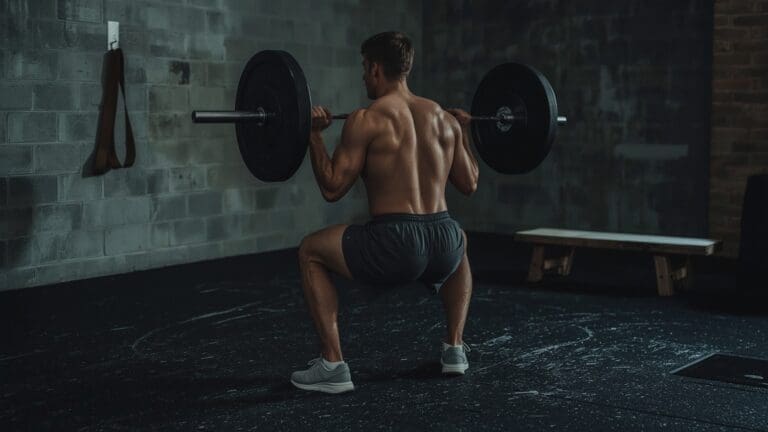
- When creating a beginner workout plan, start with full-body exercises. Focus on learning proper form for basic movements like squats, deadlifts, and presses, using machines or bodyweight before adding weights.
- Aim to go to the gym about three times a week, with rest days in between. Even short workouts are better than none, and active rest days can help with recovery.
- Avoid common beginner mistakes like skipping warm-ups, not planning your workouts, or being afraid to ask for help. Focus on consistency and proper form over lifting heavy weights right away.
- Building a consistent gym habit takes time. Set realistic goals, track your progress, and find ways to stay motivated, like working out with a friend or focusing on how much stronger you feel.
Why Start Going to the Gym? Benefits for Complete Beginners
Thinking about hitting the gym but not sure if it’s for you? It’s totally normal to feel a bit unsure when you’re starting out. But honestly, getting into a gym routine can be a game-changer, even if you’ve never lifted a weight or stepped on a treadmill before. It’s not just about looking different, though that can happen. It’s about how you feel, inside and out.
Here are some solid reasons to give the gym a try:
- Boost Your Mood: Ever feel a bit blah? Exercise is like a natural mood lifter. Getting your body moving releases endorphins, those feel-good chemicals that can help shake off stress and make you feel more positive. Seriously, even a short workout can make a difference in how you tackle the rest of your day.
- Get Stronger, Feel More Capable: You don’t start out lifting heavy, of course. But over time, you’ll notice you’re getting stronger. This isn’t just about muscles; it’s about feeling more capable in everyday life. Carrying groceries feels easier, playing with kids is less tiring, and you just generally feel more solid.
- Improve Your Sleep: If you’re tossing and turning at night, the gym might be the answer. Regular physical activity can help you fall asleep faster and sleep more deeply. Waking up feeling rested makes everything else seem more manageable.
- Build Healthy Habits: Going to the gym regularly helps you build discipline. It’s a commitment you make to yourself, and sticking to it can spill over into other areas of your life, encouraging healthier eating and better time management. It’s a good way to build a routine that supports you.
What You Need Before Your First Gym Visit
Getting ready for your first gym trip doesn’t have to be complicated. A few key things will make your experience smoother and more comfortable. Think of it as packing for a short trip – you just need the essentials.
Essential Gym Gear and Clothing for Beginners
When you’re heading to the gym for the first time, what you wear and bring can make a big difference. You want to be comfortable and have what you need on hand. Here’s a quick rundown:
- Workout Clothes: Choose clothes that let you move freely. Think athletic shorts or pants and a t-shirt or tank top. Avoid anything too baggy or restrictive. Cotton is okay for lighter workouts, but moisture-wicking fabrics are better if you plan on sweating a lot.
- Proper Shoes: Good athletic shoes are a must. They should provide support for your feet and ankles, whether you’re walking on a treadmill or using weight machines. Running shoes or cross-trainers usually work well.
- Water Bottle: Staying hydrated is super important. Bring a reusable water bottle and fill it up before you go. Most gyms have water fountains where you can refill it.
- Towel: A small towel is handy for wiping sweat off your face and body during your workout. It’s also good practice to wipe down any equipment you use afterward, like machines or benches.
- Gym Bag: A small bag to carry your essentials is useful. You might also want to pack a small toiletry kit with shampoo and a towel if you plan on showering at the gym after your workout.
Choosing the Right Gym Membership
Picking a gym is more than just finding the closest one. Think about what you need and what fits your budget. Gyms offer different types of memberships, and understanding them can help you make a good choice.
- Consider Your Goals: Are you looking for a place with lots of classes, a big weight room, or maybe just a pool? Some gyms specialize in certain areas. Think about what activities you’re most interested in.
- Look at the Contract: Read the membership agreement carefully. Pay attention to the length of the contract, cancellation policies, and any hidden fees. Some memberships are month-to-month, while others require a longer commitment.
- Check the Location and Hours: Make sure the gym is convenient for you to get to. If you plan to go early in the morning or late at night, check if the gym is open during those times. A gym that’s hard to get to or has inconvenient hours might lead to you skipping workouts.
- Trial Periods: Many gyms offer free trial passes. This is a great way to check out the facilities, maybe try a class, and get a feel for the atmosphere before you sign up. It’s like a test drive for your fitness journey.
Your First Day at the Gym: Exactly What to Do
Walking into a gym for the very first time can feel like a big deal, and honestly, just showing up is a huge win. Seriously, give yourself a pat on the back for getting there. Once you’re inside, take a moment to get your bearings. If you’re feeling a bit lost, don’t hesitate to ask someone at the front desk for a quick tour. They can show you where everything is, including the stretching area.
Gym Etiquette Rules Every Beginner Should Know
Before you jump into anything, it’s a good idea to do a light warm-up. This gets your body ready and helps prevent injuries. Think simple movements like rolling your head and shoulders, and some gentle torso twists. You can also do a quick quad stretch and an arm-across-chest stretch. While you’re doing these, you can also take a casual lap around the gym. This is a great way to see what machines are available and get a feel for the place without feeling like you need to rush into a workout. It’s all about getting comfortable and familiar with your new environment. Remember, the goal for day one is just to show up and feel good enough to come back for day two. You don’t need to be a gym warrior right away. Just moving your body and exploring is a success. If you’re looking for a sample routine to get started, you might find a beginner’s exercise week helpful for planning future visits.
How to Overcome Gym Anxiety as a Beginner
Walking into a gym for the first time can feel like stepping onto a different planet. You see people lifting heavy things, running on machines that look complicated, and generally looking like they know exactly what they’re doing. It’s totally normal to feel a bit nervous or even intimidated. Most people feel this way when they start out, and guess what? The people you think are judging you are probably just focused on their own workout.
Here are a few things that might help ease that feeling:
- Remember, everyone started somewhere. Seriously. That person who looks like a fitness model today was once a beginner too. They aren’t born knowing how to use every machine. You go to the gym to get stronger and more confident, not to prove you already are.
- Most people are too busy to notice you. Honestly, most gym-goers are wrapped up in their own routines, their own music, and their own self-consciousness. They’re not watching your every move. If anything, many people are happy to see someone new trying to improve themselves.
- Focus on your own zone. Put on your favorite playlist – something that makes you feel good or energized. Wear clothes that you feel comfortable and confident in. This helps create your own little bubble where you can just focus on your workout without feeling like you’re on display.
- Use ’20 Seconds of Courage’. This is a simple trick: if you have something you need to do, like ask for help or try a new machine, just commit to doing it for 20 seconds. Often, just starting is the hardest part, and once you begin, it’s not so bad.
- Go with a buddy. If possible, bring a friend along for your first few visits. Having someone you know there can make the whole experience feel less daunting. You can even plan your workouts together.
Creating Your Beginner Workout Plan
Alright, let’s talk about actually doing stuff when you get to the gym. Building a workout plan doesn’t have to be some super complicated thing. For starters, focus on working your whole body. Trying to hit just one muscle group each day is way too advanced for now. We’ll get there, but let’s keep it simple.
Best Beginner Gym Exercises to Start With
When you’re just starting out, it’s smart to use machines. They guide you through the movement, which is great for learning and staying safe. Once you feel more comfortable, you can start adding in free weights like dumbbells. If free weights feel totally new, try doing the moves with just your body weight first. Get the form down, then add weight.
Here are some solid exercises to get you going:
- Squats: Great for your legs and glutes. You can start with bodyweight squats or use a machine.
- Push-ups: Work your chest, shoulders, and arms. Start on your knees or against a wall if regular push-ups are too tough.
- Rows: Good for your back and biceps. Machines are a good place to start here.
- Lunges: Another good one for your legs and balance. Can be done with just bodyweight or dumbbells.
- Plank: Fantastic for your core. Hold it for as long as you can with good form.
Aim for 3 sets of 10-12 reps for most exercises. That means you do the exercise 10-12 times, rest for a bit, and then do it again, two more times. The last few reps should feel like a challenge, but not impossible.
How to Use Gym Equipment Safely
Safety first, always! If you’re unsure about how a machine or weight works, don’t guess. Ask a staff member. Seriously, that’s what they’re there for. They can show you the right way to use it and help you avoid getting hurt. Watching videos online is also a big help for seeing proper form before you even touch the equipment. Remember to start with lighter weights until you’re confident with the movement. It’s better to do it right and a little lighter than to do it wrong and risk an injury.
How Often Should Beginners Go to the Gym?
Figuring out how often to hit the gym when you’re just starting can feel like a puzzle. You might think you need to be there every single day to see results, but that’s usually not the case, and honestly, it can lead to burnout pretty fast. For most beginners, aiming for 2 to 4 times a week is a really solid plan.
This frequency allows your muscles enough time to recover and rebuild between workouts. Think of it this way: the real magic happens when you’re resting, not just when you’re lifting weights. So, giving your body those rest days is just as important as the gym sessions themselves.
Sample Weekly Workout Schedule for New Gymgoers
Here’s a simple way to structure your week:
- Option 1 (3 days/week): Monday, Wednesday, Friday. This gives you a day of rest in between each workout.
- Option 2 (4 days/week): Monday, Tuesday, Thursday, Friday. This is a bit more frequent but still includes rest days.
- Option 3 (2 days/week): Tuesday, Saturday. If your schedule is super packed, even two days is a great start!
Remember, consistency is more important than intensity when you’re new. If you can only manage one day a week, that’s still way better than none. Listen to your body, and don’t be afraid to adjust the schedule as needed. Some days you might feel great and want to push a little harder, other days you might need an extra rest day. That’s totally normal.
10 Beginner Gym Mistakes to Avoid
Starting at the gym is awesome, but it’s easy to stumble a bit when you’re new. Don’t worry, we’ve all been there! Here are some common slip-ups to watch out for so you can get the most out of your gym time.
- Skipping the Warm-up: Jumping straight into heavy lifting or intense cardio without warming up is a fast track to pulling a muscle. Your body needs a little time to get ready. Think of it like starting your car on a cold morning – you don’t just floor it immediately. A few minutes of light cardio and dynamic stretches will make a big difference.
- Ignoring Gym Etiquette: This is a big one. Things like not wiping down machines after you use them, hogging equipment when others are waiting, or dropping weights loudly can really annoy people. It’s not just about your workout; it’s about sharing the space respectfully. Always re-rack your weights and give others their turn.
- Not Having a Plan: Wandering around aimlessly, hopping on whatever machine looks interesting, isn’t the most effective way to train. Even a simple plan for what exercises you’ll do and in what order can make your workout much more productive. It doesn’t have to be complicated, just something to guide you.
- Using Equipment Incorrectly: Gyms have a lot of machines, and they can look confusing. Trying to figure them out on your own without knowing what you’re doing can lead to injury or damage to the equipment. If you’re unsure, ask a staff member for a quick demo. Seriously, they’re there to help!
- Comparing Yourself to Others: It’s super easy to look around and see people lifting way more than you or running faster. Remember, everyone started somewhere. Most people are focused on their own goals and aren’t judging you. Focus on your own progress, not someone else’s highlight reel.
- Wearing the Wrong Clothes or Shoes: While you don’t need fancy gear, wearing something that restricts movement or shoes that don’t offer support can be a problem. Sturdy trainers are better than flimsy sneakers for most gym activities. And maybe skip the jeans.
- Not Staying Hydrated: You’re going to sweat, and that means you need to drink water. Bringing a water bottle and sipping it between sets is important for performance and recovery. Don’t wait until you’re parched.
- Overdoing It on Day One: It’s exciting to start, but trying to do too much too soon can leave you incredibly sore and demotivated. Start with a manageable workout and gradually increase the intensity and duration as you get fitter.
- Being Afraid to Ask for Help: Gym staff are usually happy to show you how to use a machine or answer questions about exercises. Don’t let pride or shyness stop you from getting the information you need to work out safely and effectively.
- Thinking You Need to Be ‘In Shape’ to Go: This is a common one. People think they need to lose weight or build muscle before they go to the gym. That’s backward! You go to the gym to get in shape. Just walk through the door; that’s the hardest part.
How to Build a Consistent Gym Habit
Building a habit of going to the gym is more about showing up than what you actually do when you get there. Think long-term, like years, not just weeks. It takes time to feel comfortable, and that’s totally okay. Everyone starts somewhere, and the most important thing is just to get yourself through the door.
How to Stay Motivated to Go to the Gym Long-Term
Motivation can be a fickle friend; it’s there when you feel like it, but it often disappears when life gets busy. Instead of relying on motivation, focus on building discipline and accountability. This means making it tough to skip your workouts.
- Find a Workout Buddy: Grab a friend to join you. You’ll be less likely to bail if you know someone else is counting on you. Plus, you can keep each other going.
- Schedule It Like an Appointment: Put your gym time directly into your calendar. Treat it like any other important meeting or commitment that you can’t miss. This creates a clear plan.
- Focus on Small Wins: Celebrate the little victories. Maybe you added a bit more weight to a lift, or you just managed to get through your whole workout without feeling completely wiped. Acknowledge these steps forward.
- Make it Enjoyable: Try different exercises or classes to find what you genuinely like. When you start looking forward to the feeling you get after a workout, or the progress you’re making, sticking with it becomes much easier. It stops feeling like a chore and starts feeling like something you want to do.
Nutrition Basics to Support Your Gym Goals
Okay, so you’re hitting the gym, which is awesome! But what you eat plays a pretty big role in how you feel and how your body responds. Think of food as the fuel that powers your workouts and helps you recover.
When you’re starting out, don’t overcomplicate things. Focus on a few key areas:
- Hydration is Key: Seriously, drink water. A lot of it. Before, during, and after your gym sessions. Dehydration can make you feel tired and sluggish, and nobody wants that when they’re trying to get stronger.
- Fuel Up Beforehand: About an hour or two before you head to the gym, try to have a small meal or snack that has some carbs and a bit of protein. This gives you energy for your workout. Think a banana with a spoonful of peanut butter, or a small bowl of oatmeal.
- Refuel After: Within an hour or so after you finish exercising, it’s a good idea to eat something that combines protein and carbs again. This helps your muscles start to repair themselves. Maybe some Greek yogurt with berries, or a chicken breast with some rice.
- Don’t Fear Carbs: They’re not the enemy! Carbs are your body’s main energy source, especially for workouts. Whole grains, fruits, and vegetables are your friends here.
- Protein for Repair: Protein is what builds and repairs muscle. You’ll find it in things like lean meats, fish, eggs, dairy, beans, and lentils. Make sure you’re getting some protein throughout the day, not just right after your workout.
It’s not about strict diets, especially when you’re just starting. It’s more about making smart choices most of the time so your body has what it needs to handle your new gym routine. You’ll start to notice how much better you feel and perform when you’re fueling yourself right.
How Long Before You See Results From the Gym?
It’s a common question, and honestly, the answer is: it depends! But don’t let that discourage you. Most people start noticing some changes within a few weeks, maybe a month or so. This could be feeling a bit stronger, having more energy, or even sleeping better.
Here’s a more detailed breakdown:
- Initial Changes (2-4 weeks): You might not see huge differences in the mirror yet, but your body is definitely working. You’ll likely feel less winded climbing stairs, your muscles might feel a bit more toned, and you’ll probably notice a general boost in your mood and stamina. This is your body adapting and getting used to the new routine.
- Visible Progress (4-8 weeks): This is often when friends and family might start commenting. You could see noticeable changes in muscle definition, a slight shift in body composition (less fat, more muscle), and your clothes might start fitting differently. Your strength will also be improving significantly by this point.
- Significant Transformation (3-6 months and beyond): If you’re consistent with your workouts and paying attention to your nutrition, this is where you’ll see the most dramatic results. You’ll likely have achieved specific fitness goals, whether that’s lifting heavier weights, running longer distances, or reaching a certain body fat percentage. Your overall fitness level will be much higher, and daily activities will feel much easier.
Remember, consistency is key. Showing up regularly, even when you don’t feel like it, is more important than having a perfect workout every single time. Also, what you eat plays a massive role. Fueling your body right will speed up your progress. So, be patient with yourself, celebrate the small wins, and trust the process!
When to Consider Hiring a Personal Trainer
So, you’ve been hitting the gym for a bit, maybe a few weeks or a couple of months, and things are going okay. You’re getting the hang of some machines, you’ve figured out the locker room situation, and you’re not completely lost anymore. But maybe you’re feeling a little stuck. Like, are you actually making progress? Are you doing things right? Or maybe you have some specific goals that feel a bit out of reach on your own.
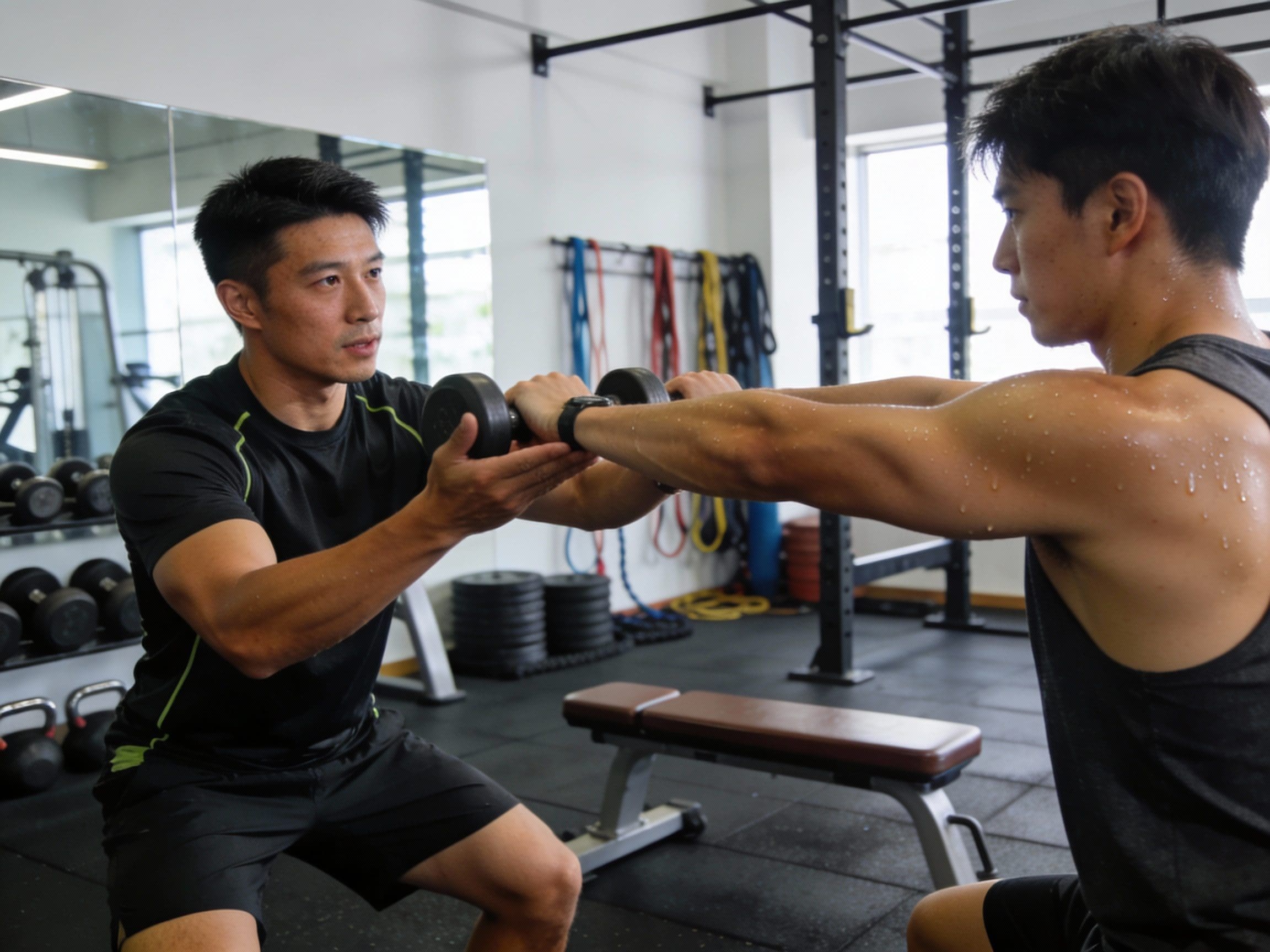
That’s usually when people start thinking about a personal trainer. It’s not just for super-fit athletes, you know. Honestly, a few sessions with a trainer when you’re starting out can be a really smart move. They can help you:
- Get your form down pat: This is a big one. Doing exercises incorrectly can not only stop you from seeing results but can also lead to injuries. A trainer can watch you, correct you, and make sure you’re moving safely and effectively.
- Build a solid plan: You might have a general idea of what you want to achieve, but a trainer can create a workout plan that’s actually tailored to you. They’ll consider your current fitness level, any limitations you might have, and what you’re aiming for, whether that’s losing weight, building muscle, or just feeling healthier.
- Stay accountable: Let’s be real, sometimes it’s hard to get yourself to the gym, especially on days when you’re not feeling it. A trainer can be that extra push you need. Knowing you have a session booked can make a huge difference in sticking to your routine.
Think of it like this: you wouldn’t try to build a complicated piece of furniture without the instructions, right? A trainer is like having an expert guide who knows exactly how everything fits together. It might cost a bit extra, but for many, it’s totally worth it to set themselves up for success and avoid common beginner mistakes.