Starting a gym routine can feel like a big step, and honestly, it is! But it doesn’t have to be complicated. Most folks just want to feel stronger, have more energy, and maybe look a bit better in their favorite clothes. The truth is, you don’t need fancy equipment or a perfect plan to get results at the gym. It’s all about showing up, sticking with it, and making small changes that add up over time. In this guide, I’ll walk you through the basics of building a healthier, stronger body at the gym—no confusing jargon or wild promises, just simple steps that actually work. This is your simple guide to getting started with a full body workout for beginners.
Key Takeaways
- Aim for three full-body strength workouts each week, keeping them around 30-45 minutes long.
- Always start with a light warm-up that includes some movement, and finish with stretching.
- When you’re new, try going to the gym between 10 a.m. and 2 p.m. or after 8 p.m. when it’s usually less crowded.
- Start with gym machines like the leg press, lat pulldown, and chest press to get a feel for things.
- Focus on compound movements like squats, deadlifts, rows, bench presses, and shoulder presses for a solid foundation.
Understanding The Full-Body Workout Approach
What Exactly Is A Full-Body Workout?
A full-body workout means you’re working all the major muscle groups in your body during a single gym session. Think legs, chest, back, shoulders, arms, and your core – all in one go. The idea is to use exercises that engage multiple muscles at once, often called compound movements. This approach is super efficient because you get a lot done in a shorter amount of time, making sure no major muscle group is left out.
Why Choose A Full-Body Split?
There are some good reasons to go with a full-body routine, especially when you’re starting out. For one, it’s really time-efficient. If you can only make it to the gym two or three times a week, this split is a lifesaver. You can still get a solid workout in and stimulate muscle growth without needing to be there every single day. Plus, because you’re using so many muscles in each workout, you tend to burn more calories, which can be a nice bonus if you’re also looking to manage your weight. It’s also great for building a balanced physique since you’re working everything regularly. For beginners, it’s a fantastic way to learn the fundamental movements and build a solid base. You can find a great starting point with bodyweight exercises here.
When Is A Full-Body Routine Ideal?
Full-body workouts are pretty awesome for a lot of people, especially if you’re just starting out or if your schedule is a bit chaotic. Think about it: you hit all your major muscle groups in one go. This means you don’t need to be in the gym five or six days a week to see progress. It’s also a smart choice if your main goal is general fitness and building a good foundation of strength, rather than focusing on extreme muscle size or power. The best workout plan is ultimately the one you can stick with consistently.
Here’s a quick look at who benefits most:
- Beginners: It’s the perfect way to learn basic movements and build overall strength.
- Time-Crunched Individuals: You can get a complete workout in just 2-3 sessions per week.
- General Fitness Enthusiasts: It promotes balanced development and good calorie burn.
The goal isn’t to do a million different exercises. It’s to pick a few key movements and get really good at them. Focus on getting stronger in these basic lifts, and you’ll build a solid foundation for whatever your fitness goals are.
Getting Started In The Gym Environment
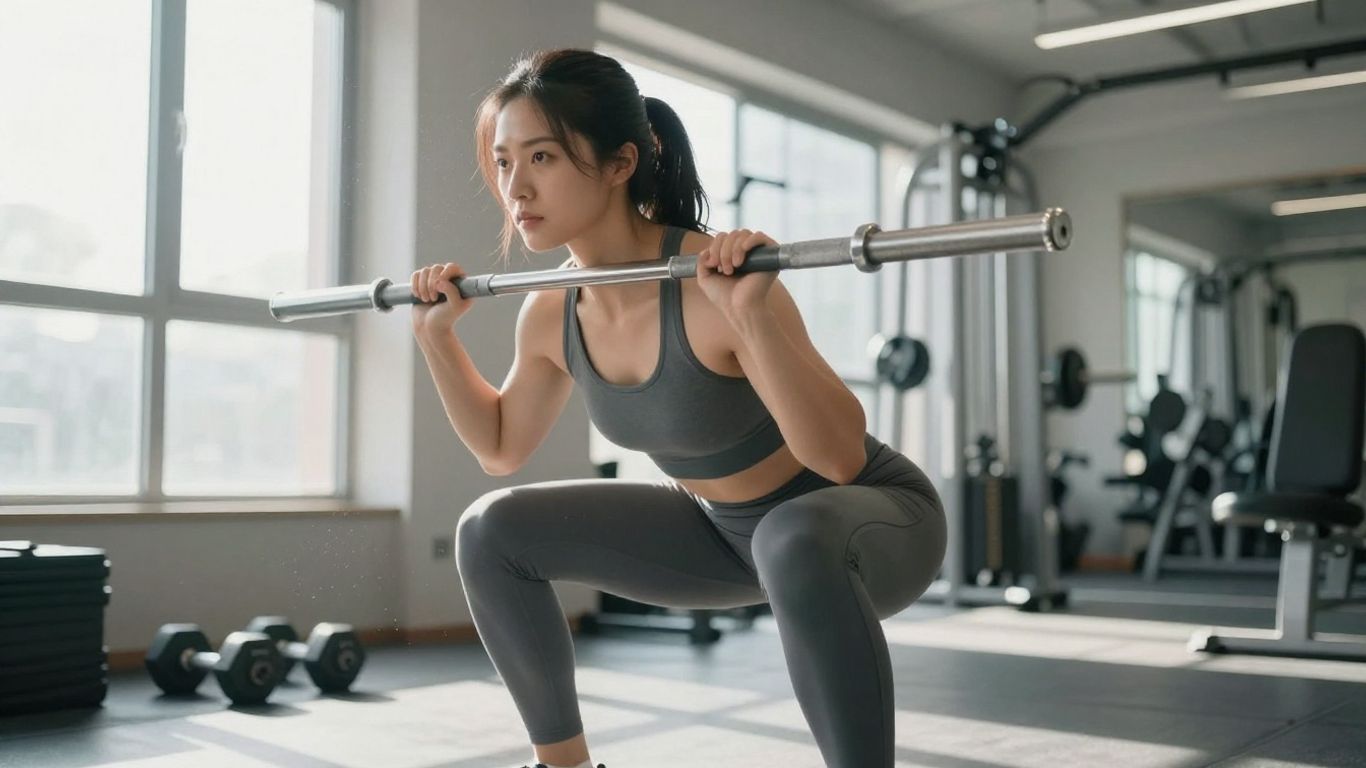
Walking into a gym for the first time can feel a bit strange, right? You see all the machines, people moving around, and maybe you wonder, ‘What do I even do here?’ It’s totally normal to feel a little unsure. Most people feel that way when they start. The good news is, getting comfortable is the first step, and it’s easier than you think.
Easing Into The Gym Space
Your first few visits are all about getting a feel for the place. Think of it like exploring a new park. You want to see where things are and get used to the atmosphere. Many gyms have quieter times, often mid-day between classes or later in the evening. Going during these times can make it feel less crowded and more relaxed. Don’t be afraid to ask the staff for a quick tour; they can show you where the locker rooms, water fountains, and different workout areas are. It’s all about making the space feel familiar and less intimidating.
Here’s a simple way to approach your first few gym visits:
- Show Up During Off-Peak Hours: Try going when it’s usually less busy. This gives you more space and less pressure.
- Take a Quick Tour: Walk around and locate the different sections – cardio machines, weight machines, free weights, and locker rooms.
- Ask for Help: Don’t hesitate to ask gym staff how to use a specific machine. They are there to help beginners.
Structuring Your Initial Workouts
For your very first week, a full-body approach is usually the best way to go. This means you’ll work multiple muscle groups in each session. It’s efficient and helps your body adapt without overworking any single area. You’ll want to aim for about three strength workouts spread throughout the week, with rest days in between. This rhythm allows your muscles to recover and get stronger.
Here’s a sample structure for your first week:
- Day 1: Full Body Strength. Focus on learning the movements. Use machines as they guide your form.
- Day 2: Rest or Light Activity. Go for a walk, do some gentle stretching, or just relax.
- Day 3: Full Body Strength. Repeat a similar workout, perhaps trying slightly different machines.
- Day 4: Rest or Light Activity.
- Day 5: Full Body Strength. Your final strength session for the week.
Keep these initial workouts short, around 30-45 minutes. The main goal is to get comfortable and learn the basic layout and equipment. Don’t worry about lifting heavy weights or doing complicated exercises yet.
The Importance Of A Warm-Up And Cool-Down
Never skip these! A warm-up prepares your body for exercise, reducing the risk of injury and making your workout more effective. A cool-down helps your body gradually return to its resting state and can aid in recovery.
Your Warm-Up (5-10 minutes):
- Light Cardio: Start with 5 minutes on a treadmill, elliptical, or bike at an easy pace. Just get your body moving.
- Dynamic Stretches: Think leg swings, arm circles, and torso twists. These get your joints moving and muscles ready.
Your Cool-Down (5-10 minutes):
- Static Stretches: Hold stretches for major muscle groups (like hamstrings, quads, chest, back) for 20-30 seconds each. This helps improve flexibility over time.
Remember, the goal for your first week is simply to show up, get comfortable, and learn the basic layout and equipment. Don’t worry about lifting heavy or doing complicated exercises. Focus on moving your body and getting used to the environment.
Building Foundational Strength: Key Exercises
Mastering Compound Movements
When you’re starting out, it’s smart to focus on exercises that work multiple muscles at once. These are called compound movements, and they’re like the superheroes of the workout world because they give you more bang for your buck. Think of them as the heavy hitters of your workout. They involve more than one joint and recruit a bunch of muscles simultaneously. This means you get more work done in less time, and it’s super effective for building overall strength and muscle. For beginners, focusing on these is a smart move.
Essential Movements For Beginners
To get a good, well-rounded workout, you should aim to include exercises that cover the basic ways your body moves. A good rule of thumb is to include something that lets you:
- Push something away from your body.
- Pull something towards your body.
- Work your legs.
- Engage your core.
Targeting Major Muscle Groups
When you’re starting out, it’s smart to hit all the big muscle groups. This not only helps you build a balanced physique but also contributes to your overall health. You don’t need a super long list of exercises. Just a few key movements can make a big difference. Aim to include exercises for your legs, your chest and shoulders (pushing movements), your back and biceps (pulling movements), and your core.
Here are some of the top compound exercises to get you started:
| Movement Type | Exercise Example | Primary Muscles Worked |
|---|---|---|
| Lower Body | Squats | Quadriceps, Glutes, Hamstrings |
| Lower Body | Lunges | Quadriceps, Glutes, Hamstrings, Calves, Core |
| Upper Body (Push) | Push-ups | Chest, Shoulders, Triceps, Core |
| Upper Body (Push) | Overhead Press | Shoulders, Triceps, Upper Chest |
| Upper Body (Pull) | Rows (Dumbbell/Machine) | Back (Lats, Rhomboids), Biceps, Forearms |
| Core | Plank | Abdominals, Obliques, Lower Back, Glutes |
The most important thing when you’re starting is to get the movements right. Don’t worry too much about lifting heavy weights right away. Focus on learning how to do each exercise correctly. Your body will thank you for it, and you’ll be less likely to get hurt. As you get stronger, you can gradually increase the weight or the number of reps.
Choosing The Right Equipment For Beginners
When you first start hitting the gym, the sheer amount of equipment can be a bit much. You see all these machines and weights, and it’s easy to feel like you need a degree in fitness to figure it all out. But honestly, you don’t. The key is to start simple and focus on what’s going to help you learn the movements safely and effectively. Think of it as gathering the right tools for a new hobby – you start with the basics and build from there.
Starting With Machines
Gym machines are your best friend when you’re just beginning. They’re designed to guide your body through a specific range of motion, which is super helpful for learning proper form without having to worry too much about balance or controlling a weight on your own. This guidance can really help prevent injuries and build confidence. Plus, they often have clear instructions on how to use them.
- Leg Press: Great for working your quads, hamstrings, and glutes without the balance challenge of squats.
- Chest Press Machine: Helps you practice the pushing motion for your chest and shoulders.
- Lat Pulldown Machine: A good way to work your back and biceps, mimicking a pull-up motion.
- Seated Row Machine: Another excellent option for building back strength.
When using machines, always take a moment to adjust the seat and any other settings to fit your body. You want to feel the target muscles working, not straining in awkward positions.
When To Introduce Free Weights
Once you feel comfortable with the machines and have a good handle on how different exercises feel in your body, you can start to introduce free weights like dumbbells and barbells. Free weights require more stability and control, which means they engage more of your smaller stabilizing muscles. This can lead to more functional strength over time.
Start light. Really light. The goal isn’t to lift heavy right away; it’s to practice the movement pattern with added resistance. If you’re doing dumbbell rows, for example, pick a weight where you can do 10-12 reps with perfect form. If your form starts to wobble or break down, the weight is too heavy. It’s always better to do more reps with good form than fewer reps with bad form.
Versatile Equipment Options
Beyond machines and basic free weights, there are a few other pieces of equipment that are incredibly useful for beginners and can be used in many different ways:
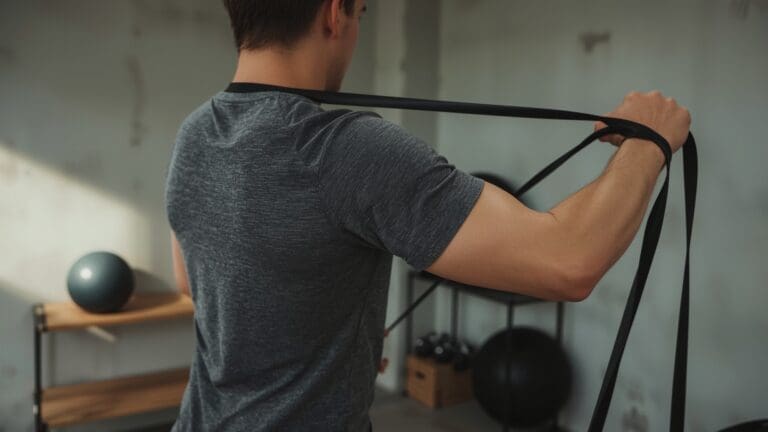
- Resistance Bands: These are fantastic for adding light resistance to bodyweight exercises, warming up, or even doing full workouts. They come in different strengths, so you can gradually increase the challenge.
- Kettlebells: While they can be used for advanced moves, kettlebells are also great for basic swings and goblet squats, which are excellent for building strength and improving coordination.
- Stability Ball: This can be used to make exercises like planks or crunches more challenging, or even as a substitute for a bench for certain exercises.
Don’t feel pressured to buy a ton of equipment right away. Start with what’s available at your gym or invest in one or two versatile items for home. The most important thing is to get moving and learn the basics.
Focusing On Proper Form And Technique
When you’re starting out, getting the movements right is probably the most important thing. Seriously, don’t worry about lifting super heavy weights right away. Focus on learning how to do each exercise correctly. Your body will thank you for it, and you’ll be way less likely to get hurt. It’s better to lift a lighter weight with perfect form than a heavy weight with bad form.
Why Good Form Is Crucial
Think of it like building a house. You wouldn’t start putting up walls before the foundation is solid, right? Proper form is your foundation in the gym. It makes sure you’re actually working the muscles you intend to work, and it keeps you safe. When your form is good, you get more out of each rep, and you avoid those annoying injuries that can sideline you for weeks. It’s really about making progress safely and effectively.
Structuring Your Beginner Workout Plan
Getting your gym routine set up doesn’t have to be complicated. The main idea is to build a solid base without feeling overwhelmed. We’re going to focus on full-body workouts at first because they’re a great way to hit all your major muscle groups multiple times a week. This helps you learn the movements better and builds overall strength faster. For your first month or so, sticking to full-body routines is the way to go. Instead of training just your legs one day and your arms the next, you’ll do exercises that work multiple parts of your body in a single session. This approach is great for beginners because it allows for more practice of each exercise, which really helps with form and muscle memory. Plus, it means you don’t have to be at the gym every single day to see results.
Creating A Balanced Full-Body Routine
When you’re just starting out, a full-body routine is your best friend. This approach lets you hit all the major muscle groups in one session. It’s super efficient for building overall strength and getting your body used to the movements. Aim to do this kind of workout 2-3 times a week, making sure you have rest days in between. This gives your muscles time to recover and get stronger. A good weekly schedule might look something like this:
- Day 1: Full Body Workout
- Day 2: Rest or Light Activity (like a walk)
- Day 3: Full Body Workout
- Day 4: Rest or Light Activity
- Day 5: Full Body Workout
- Day 6 & 7: Rest
This rhythm allows your muscles to recover and rebuild, which is super important when you’re starting out. Remember, consistency is more important than intensity when you’re first starting out.
Determining Sets, Reps, And Rest Periods
This is where you get into the details of each exercise. Think of sets as a group of repetitions. So, if you do 10 push-ups, that’s one set of 10 reps. For most people starting out, aiming for 2 to 5 sets per exercise is a good range. As for reps (repetitions), try to hit between 8 and 12 reps for each set. If you’re unsure, 10 reps is a solid middle ground. Between each set, give yourself about 1 to 2 minutes to recover. You can adjust this as you go – if you feel ready to go sooner, great! If you need a bit more time, that’s fine too. Choosing the right weight for you is also key; it should be challenging enough that the last couple of reps feel difficult, but not so heavy that your form breaks down.
The goal isn’t to do a million different exercises. It’s to pick a few key movements and get really good at them. Focus on getting stronger in these basic lifts, and you’ll build a solid foundation for whatever your fitness goals are. You can always add more variety later on, but start with the basics. For a great starting point with bodyweight exercises, check out this beginner-friendly bodyweight workout.
Understanding Workout Duration
How long should you actually be in the gym or working out at home? While there’s no single magic number, most people find that keeping workouts to under an hour is pretty effective. This helps you stay focused and avoids burnout. It’s better to have a consistent, shorter workout than an overly long one you dread. Your first few visits are all about familiarization, so don’t feel pressured to spend hours there. Think of it as a test drive to get a feel for the space and learn the basic layout and equipment.
Sample Exercises For Lower Body Strength
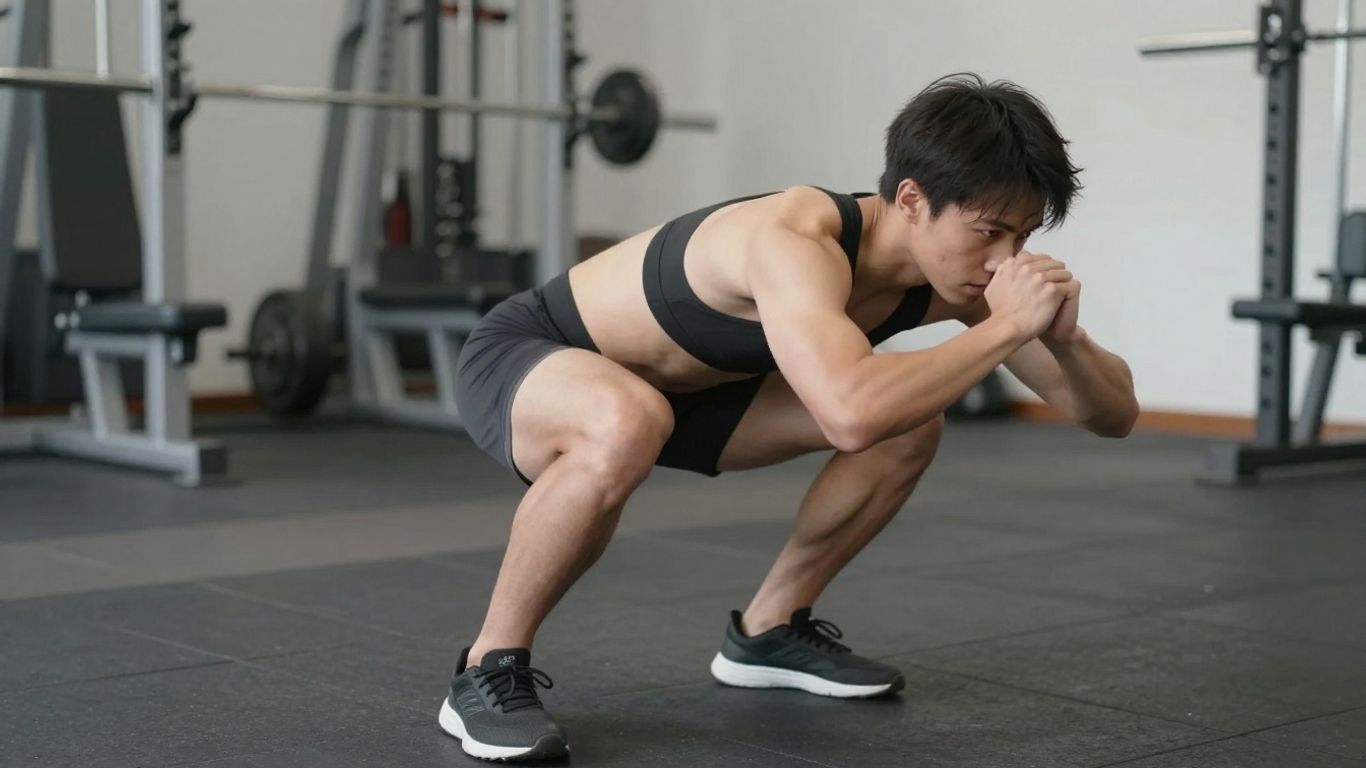
Your legs are the foundation of your entire body. Building strength here helps with everyday activities and supports all other movements. We’ll focus on a couple of key exercises that give you a lot of bang for your buck.
Lower Body Strength Essentials
When you’re starting out, it’s smart to focus on movements that work the biggest muscles in your lower body. This means your quads (front of your thighs), hamstrings (back of your thighs), and glutes (your butt muscles). Getting these strong will make a big difference in how you feel and perform.
Squats For A Strong Foundation
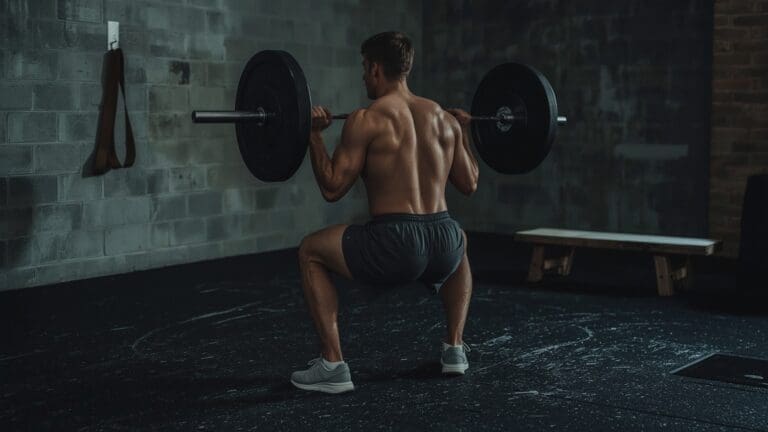
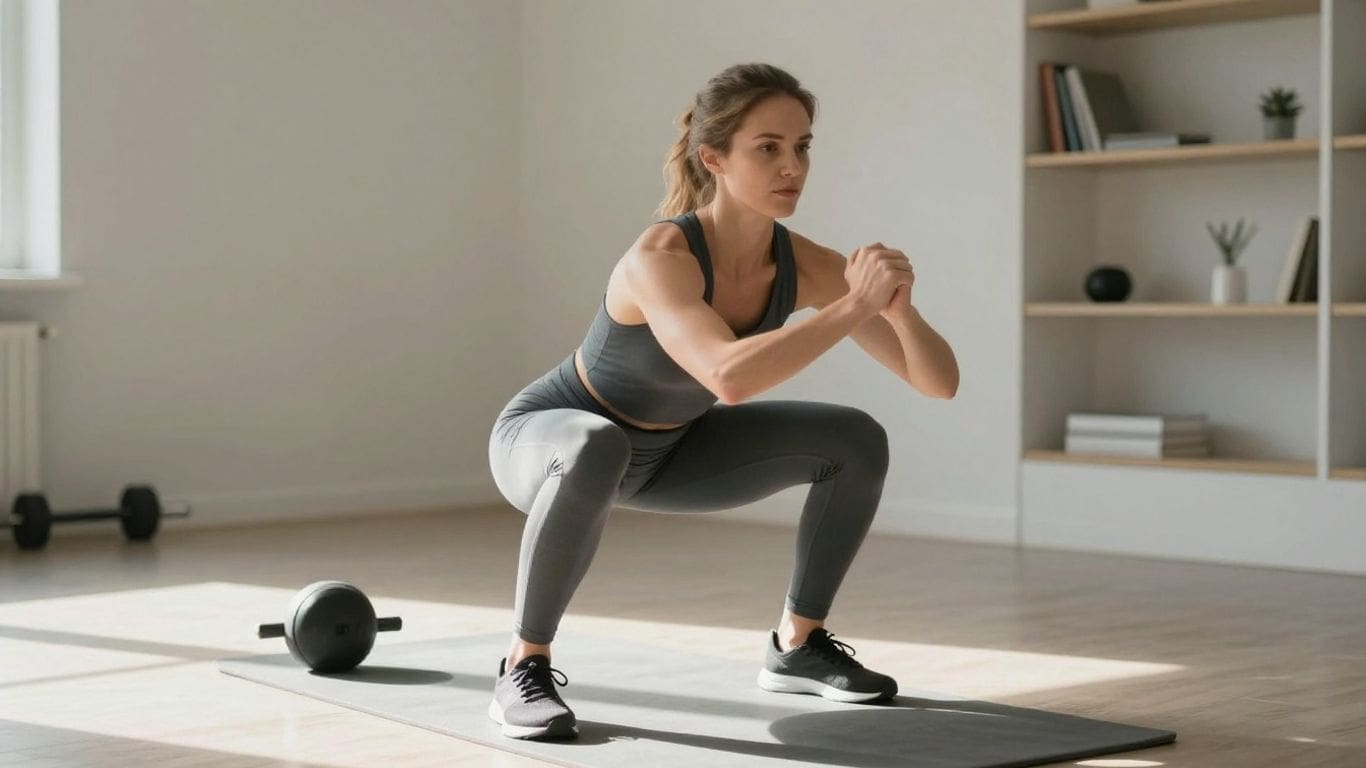
Squats are often called the king of lower body exercises, and for good reason. They work your quads, hamstrings, and glutes all at once. Plus, they help improve your balance and core strength.
- How to do it: Stand with your feet about shoulder-width apart, toes pointing slightly outward. Keep your chest up and your back straight. Lower your hips down as if you’re sitting back into a chair. Aim to get your thighs at least parallel to the floor, if you can. Push through your heels to stand back up.
- Starting out: Begin with bodyweight squats. Focus on getting the movement right. Once you’re comfortable, you can try holding a dumbbell in front of your chest (a goblet squat) or eventually move to using a barbell.
Lunges For Balance And Strength
Lunges are another excellent exercise for your legs. They work each leg independently, which is great for addressing any strength imbalances and improving your balance.
- How to do it: Stand tall. Step forward with one leg, lowering your hips until both knees are bent at about a 90-degree angle. Your front knee should be directly over your ankle, and your back knee should hover just off the floor. Push off your front foot to return to the starting position. Alternate legs with each step.
- Starting out: Like squats, start with just your body weight. Once you feel stable, you can hold dumbbells in each hand to add resistance. This is a great way to build stronger and more sculpted legs 10 effective workouts.
Remember, the goal when you’re starting is not to lift the heaviest weight possible. It’s about learning the movements correctly and building a solid base. Focus on controlled motions and good form. Your body will thank you for it, and you’ll be much less likely to get injured.
Sample Exercises For Upper Body Strength
Once you’ve got a handle on the basics and your body feels ready for a bit more, it’s time to focus on building strength in your upper body. This means working the muscles in your chest, back, shoulders, and arms. These muscles help you with everyday tasks like carrying groceries, opening doors, and even just sitting up straight. We’ll look at some key movements that give you the most bang for your buck.
Upper Body Pushing Movements
Pushing movements are all about moving weight away from your body. They primarily target your chest, shoulders, and the back of your arms (triceps).
- Bench Press (Barbell or Dumbbell): This is a classic for a reason. Lie on a bench, feet flat on the floor. Lower the weight to your chest with control, then press it back up. Keep your elbows tucked slightly, not flared out wide. This works your chest, front shoulders, and triceps.
- Overhead Press (Dumbbell or Barbell): Stand or sit tall, keeping your core tight. Press the weight straight up overhead until your arms are extended. Lower it back down slowly. This is great for your shoulders and triceps.
- Push-ups: You can do these on the floor or against a wall. Start in a plank position, lower your chest towards the floor, and push back up. If regular push-ups are too tough, start on your knees. They work your chest, shoulders, and triceps.
Upper Body Pulling Movements
Pulling movements involve bringing weight towards your body. These are super important for building a strong back, which helps with posture and overall balance.
- Rows (Dumbbell, Barbell, or Machine): Hinge at your hips with a straight back, and pull the weight towards your torso. This works your back muscles (like your lats and rhomboids) and your biceps.
- Lat Pulldown Machine: This machine mimics a pull-up motion. Sit down, grab the bar, and pull it down towards your chest. It’s a great way to work your back and biceps.
- Bicep Curls (Dumbbell or Barbell): Stand or sit with a weight in each hand. Keeping your elbows tucked in, curl the weights up towards your shoulders. Lower them back down slowly. This directly targets your biceps.
Core Strengthening Exercises
Your core is more than just your abs; it includes muscles in your abdomen, back, and hips. A strong core helps with stability and power in almost every movement.
- Plank: Get into a push-up position but rest on your forearms instead of your hands. Keep your body in a straight line from head to heels. Hold this position, engaging your abs. Aim for 30-60 seconds.
- Bird-Dog: Start on your hands and knees. Extend one arm straight forward and the opposite leg straight back, keeping your core tight and your back flat. Hold for a second, then return to the start and switch sides. This improves balance and works your core and back.
- Crunches: Lie on your back with your knees bent and feet flat on the floor. Place your hands lightly behind your head or across your chest. Lift your shoulders off the floor, engaging your abs. Lower back down slowly. Focus on the contraction, not on how high you lift.
When you’re starting out, focus on learning the movements with lighter weights or even just your body weight. It’s way better to do fewer reps with perfect form than to do many reps with bad form. This will help prevent injuries and build a solid foundation for future progress.
Pacing Your Progress And Avoiding Burnout
The Urge To Overdo It
It’s totally normal to feel super motivated when you first start working out. You’re excited about getting stronger and seeing changes, and it’s easy to think that going all out, every single time, is the fastest way to get there. But honestly, pushing yourself too hard, too soon is a quick way to feel awful, get injured, and maybe even quit altogether. Your body needs time to get used to new physical demands. Think of it like learning to drive – you don’t start by trying to race on a highway; you learn the basics on quieter roads first.
Gradually Increasing The Challenge
Building fitness is a marathon, not a sprint. Instead of trying to do the most you possibly can in every single workout, focus on making small, consistent improvements. This is often called progressive overload, and it’s how you actually get stronger over time. It doesn’t mean you have to add a ton of weight every week. There are simpler ways to keep challenging your body:
- Lift a little heavier: When you feel comfortable with the weight you’re using, try increasing it slightly for your next workout. Even a small jump can make a difference.
- Do more reps: If you’re not ready to increase the weight, try to squeeze out one or two extra repetitions in each set with the same weight.
- Improve your form: Sometimes, just focusing on moving the weight slower and with more control can be a challenge in itself and helps build better muscle connection.
- Shorten rest times: Gradually reducing the time you rest between sets can make your workouts more intense without changing the weights or reps.
The goal isn’t to hit a new personal record every time you step into the gym. It’s about showing up consistently and making steady progress. Celebrate the small wins, like completing an extra rep or feeling a bit stronger than last week. This consistent effort over time is what leads to real, lasting results.
Consistency Over Intensity
When you’re starting out, your main focus should be on building a habit that sticks. This means showing up regularly, even if you don’t feel like it, and doing a solid workout that you can recover from. Trying to be a superhero in every session will likely lead to burnout. It’s far better to have three good, manageable workouts per week than to push yourself to the absolute limit twice and then need a week to recover. Remember, your muscles grow and get stronger during rest, not during the workout itself. So, don’t skip your rest days, and make sure you’re getting enough sleep. This balanced approach will help you stay motivated and injury-free, allowing you to create a gym workout plan that you can stick with long-term.
Understanding Sets, Reps, And Weight Selection
When you start lifting weights, you’ll hear a lot about “sets,” “reps,” and “weight.” It can sound a bit technical, but it’s actually pretty straightforward once you break it down. These are the building blocks of how you structure each exercise you do.
A Basic Breakdown Of Sets and Reps
Think of a “rep” (short for repetition) as one complete movement of an exercise. So, doing one squat is one rep. A “set” is simply a group of reps performed consecutively. For example, doing 10 squats in a row is one set of 10 reps.
For beginners, a good starting point is usually 2 to 3 sets per exercise. The number of reps you do in each set depends on your goal, but for building general strength and muscle, aiming for 8 to 12 reps per set is a solid range. This means you’ll perform the exercise 8 to 12 times, rest briefly, and then do another set.
Here’s a simple way to visualize it:
| Exercise | Sets | Reps per Set |
|---|---|---|
| Squats | 3 | 10 |
| Push-ups | 3 | As many as possible with good form |
| Rows | 3 | 10 |
Choosing The Right Weight For You
This is where it gets personal. The weight you choose should be challenging enough that the last couple of reps in each set feel difficult, but not so heavy that your form starts to fall apart. If you can easily do more than 12 reps with perfect form, the weight is probably too light. On the other hand, if you can’t even complete 8 reps with good form, it’s likely too heavy.
It’s always better to start lighter and focus on mastering the movement. You can always increase the weight later. Don’t feel pressured to lift what others are lifting; everyone’s journey is different. Finding that sweet spot where you’re challenged but can maintain good technique is key. This approach helps you build a strong foundation and avoid gym injuries.
Progressing Your Lifts Safely
As you get stronger, you’ll naturally be able to do more reps or lift heavier weights. This is called progressive overload, and it’s how you keep making progress. Don’t try to increase everything at once. You can gradually add a little more weight, do an extra rep or two, or even shorten your rest time between sets.
The most important thing when you’re starting is to get the movements right. Don’t worry too much about lifting heavy weights right away. Focus on learning how to do each exercise correctly. Your body will thank you for it, and you’ll be less likely to get hurt. As you get stronger, you can gradually increase the weight or the number of reps.
Listen to your body. If something feels off or painful, stop. It’s okay to take an extra rest day or reduce the weight. Consistency over time, with smart, gradual increases, is what leads to lasting results.
Wrapping Up Your Fitness Journey
So, you’ve got the basics down for starting your full-body workout routine. Remember, the most important thing is just to get started and keep showing up. Don’t worry about being perfect right away; focus on learning the movements and being consistent. Your body will thank you for the effort, and you’ll start to feel stronger and more energetic before you know it. Keep at it, listen to your body, and celebrate those small wins along the way. You’ve got this!
Frequently Asked Questions
What exactly is a full-body workout?
A full-body workout means you do exercises that work all your major muscles – like your legs, chest, back, shoulders, and arms – in one gym session. It’s a great way to get a lot done without needing to spend hours at the gym.
Why should I choose a full-body workout split?
Full-body workouts are super efficient, especially if you can only go to the gym a few times a week. You hit all your muscles regularly, which helps build a solid base and learn movements faster. Plus, it can help you burn more calories in one go.
When is a full-body routine a good idea?
This type of workout is perfect for beginners because it helps you learn the basic exercises and build overall strength. It’s also ideal if you have a busy schedule and can only make it to the gym 2 or 3 times a week. It lets you get a good workout without needing to be there every day.
How do I start if I’m new to the gym?
When you’re just starting, it’s smart to ease into it. Try going during less busy times. Get familiar with the gym layout. Focus on learning how to use the machines first, as they help guide your movements. Your first few workouts should be short, around 30-45 minutes, and focused on getting comfortable.
What are compound movements and why are they important?
Compound movements are exercises that use more than one joint and work several muscle groups at the same time. Think squats, push-ups, and rows. They’re like the heavy lifters of your workout because they build overall strength and muscle more effectively and efficiently.
Should I use machines or free weights first?
It’s usually best for beginners to start with gym machines. They help you learn the proper way to move and offer support. Once you feel comfortable and have a good understanding of the movements, you can slowly start adding free weights like dumbbells. Always start light with free weights and focus on form.
How many sets and reps should I do?
For beginners, aiming for 2-3 sets of 8-12 repetitions for each exercise is a good starting point. This range helps you focus on learning the movement with good form. The weight should be challenging enough that the last few reps feel tough, but not so heavy that your form suffers.
How important is warming up and cooling down?
Warming up is super important because it gets your body ready for exercise, making your muscles more flexible and reducing the risk of injury. A cool-down helps your body relax afterward and can improve flexibility. Always include both in your routine!