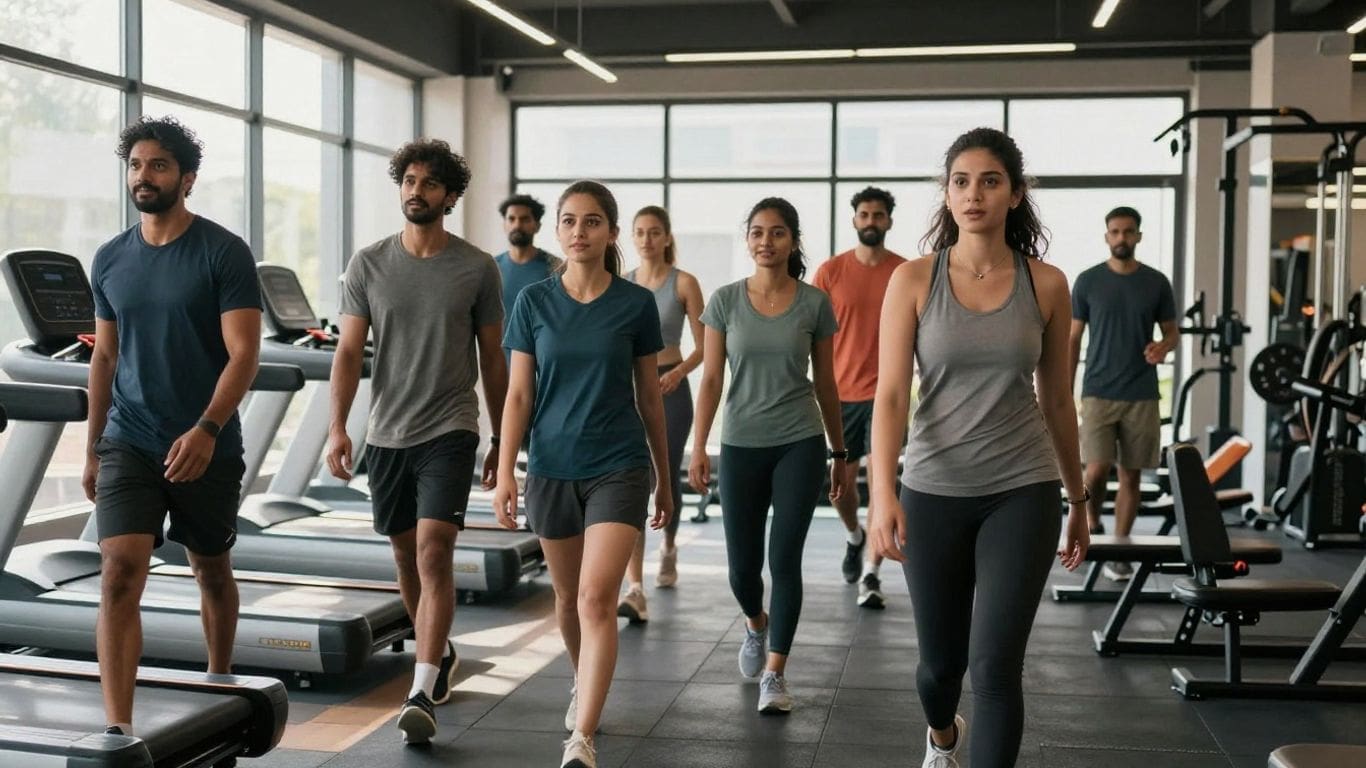
So, you’re thinking about joining a gym for the first time? That’s awesome! It’s totally normal to feel a bit unsure about what to do or where to even start. There are tons of machines, people who seem to know exactly what they’re doing, and maybe you’re worried about looking silly. Don’t sweat it! This guide is here to break down all the little things, from what to pack to how to actually use the equipment, so your first few visits are way less awkward and way more productive. We’ll cover some basic gym tips for first time members to get you going.
Key Takeaways
- Get familiar with the gym’s layout and basic rules of etiquette before you start working out.
- Set simple, achievable goals and choose comfortable workout clothes and shoes.
- Always begin with a warm-up, focus on proper form over lifting heavy, and start with a full-body routine.
- Stay hydrated, don’t compare your progress to others, and remember that consistency is the most important factor for seeing results.
- If you feel anxious, try visiting during quieter times, bring a friend, or just focus on your personal fitness journey.
Navigating Your First Gym Visit
Walking into a gym for the very first time can feel a bit strange. You see all these machines and people working out, and you might wonder where to even begin. It’s totally normal to feel a little unsure. Think of it like exploring a new park – you want to know where the paths are, what the rules are, and if there’s a good spot to sit. This section is all about helping you get comfortable and figure out the lay of the land.
Familiarize Yourself with the Gym Layout
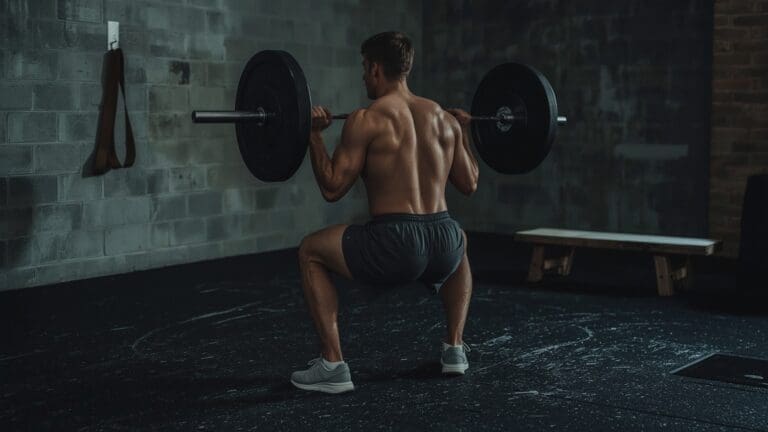
Before you jump into a workout, take a few minutes to just walk around. Most gyms have different zones. You’ll usually find a cardio area with treadmills, bikes, and ellipticals. Then there’s the strength training section, which has weight machines and free weights like dumbbells and barbells. Some places also have a space for functional training with things like resistance bands or kettlebells. Knowing where everything is will make you feel much more in control.
- Cardio Zone: Great for getting your heart rate up.
- Strength Area: Where you’ll find equipment for building muscle.
- Functional Training Space: Often has tools for more dynamic movements.
Getting a quick tour from a staff member when you first join can be super helpful. They can point out the basics and answer any initial questions you might have.
Understand Gym Etiquette
Gyms have unwritten rules, kind of like how you know not to talk loudly in a library. Following these simple guidelines makes the experience better for everyone. It shows respect for the space and the other people there. You’ll pick them up quickly, but here are a few key ones to start with:
- Wipe down equipment: After you use a machine or bench, give it a quick wipe with the provided spray and towels. It’s just good hygiene.
- Re-rack your weights: Put dumbbells and plates back where they belong when you’re done. No one likes tripping over stray weights.
- Respect personal space: Give others enough room to do their exercises without feeling crowded.
Ask for Assistance When Needed
Seriously, don’t be shy about asking for help. Every single person who works out at the gym, even the super-fit ones, started somewhere. If you’re not sure how to use a machine, how to adjust it, or even what it’s called, just ask a staff member or a trainer. They are there to help new members like you. It’s way better to ask than to guess and potentially hurt yourself or damage the equipment. You can also often find instructions on the machines themselves, but a quick question is usually the fastest way to get the right information. Building a lasting gym habit involves understanding how to use the equipment safely [c94d].
Preparing for Your Gym Experience
Walking into a gym for the first time can feel a bit overwhelming, right? You’ve got your membership, you’re ready to go, but then… what? Before you even step onto the gym floor, taking a moment to prepare can make a huge difference in how confident and effective your first few visits are. It’s not about having all the answers, but about having a simple plan.
Set Realistic and Achievable Goals
Think about why you’re joining the gym. Is it to feel stronger, have more energy, or maybe just to get moving more regularly? Whatever it is, try to set goals that you can actually reach. Instead of aiming to run a marathon next week, maybe start with "I want to go to the gym three times this week" or "I want to be able to do 10 squats without stopping." Small wins build up and keep you motivated. It’s about progress, not perfection, especially at the start. Having a clear objective will keep you motivated.
Setting achievable goals is like drawing a map for your fitness journey. It gives you a direction and helps you celebrate every milestone along the way, no matter how small.
Choose Comfortable and Functional Workout Attire
What you wear matters more than you might think. You want clothes that let you move freely without feeling restricted. Breathable fabrics are your friend here; they help wick away sweat and keep you from feeling too hot. And don’t forget your feet! Supportive athletic shoes are a must. They provide stability, which is important whether you’re on a treadmill or lifting weights. Avoid anything too tight, too loose, or made of materials that don’t breathe well. Good workout clothes can make a big difference in how you feel during your workout.
Pack Your Gym Bag Essentials
Having your gym bag ready to go means less stress when you arrive. Here’s a quick rundown of what to bring:
- Water Bottle: Staying hydrated is super important. Make sure it’s filled before you leave home.
- Towel: You’ll want this for wiping down equipment after you use it, and maybe for yourself too.
- Comfortable Shoes: As mentioned, good trainers are key.
- Snack: Something light like a banana or a few nuts can be good for after your workout.
- Lock: If you plan to use the locker room.
Packing smart helps you stay organized and ready to focus on your workout. A sturdy bag like the RAPTOR 40L Gym Backpack can keep everything in its place.
Getting Started with Your Workout
So, you’ve explored the gym, you know the basic rules, and you’re ready to actually do something. That’s awesome! But where do you begin? It’s easy to feel a bit lost with all the equipment around. The trick is to start simple and build from there. Think of your first few workouts as a way to learn how your body feels and how the machines work, rather than trying to set any records.
Begin with a Thorough Warm-Up Routine
Seriously, don’t skip this part. Your body needs a little heads-up before you ask it to do hard work. A good warm-up gets your blood flowing, loosens up your muscles and joints, and helps prevent injuries. It doesn’t need to be complicated. Aim for about 5 to 10 minutes of light activity.
- Light Cardio: Hop on a treadmill for a brisk walk, use the stationary bike, or try the elliptical. Just get your heart rate up a little.
- Dynamic Stretches: Think movements like arm circles, leg swings, and torso twists. These get your joints moving through their range of motion.
This preparation makes your actual workout feel better and keeps you from feeling stiff and sore later.
Start with a Simple Full-Body Workout Plan
For your initial gym visits, a full-body routine is your best bet. It helps you get a feel for different movements and works multiple muscle groups without overdoing any single one. The goal here is to learn the exercises and focus on how they feel. Don’t worry about lifting heavy weights just yet.
Here’s a basic plan to get you started:
| Exercise | Sets | Reps |
|---|---|---|
| Bodyweight Squats | 3 | 10-12 |
| Lat Pulldown | 3 | 10-12 |
| Chest Press | 3 | 10-12 |
| Seated Row | 3 | 10-12 |
| Plank | 3 | 30 sec hold |
Remember to rest for about 30-60 seconds between sets. This plan is a starting point, and you can find more ideas for a fitness routine over four weeks if you want to structure your first month.
Focus on Proper Form Over Heavy Weights
This is probably the most important tip for anyone starting out. It’s way more beneficial to do an exercise correctly with a lighter weight than to do it poorly with a heavy one. Bad form can lead to injuries, and it won’t actually work the muscles you’re trying to target effectively.
When you’re learning new exercises, watch yourself in the mirror if possible. Pay attention to how the movement feels in your muscles. If something feels off or causes pain, stop and check your form. It’s better to use less weight and get the exercise right than to risk hurting yourself.
Don’t be afraid to ask gym staff or a trainer for a quick demonstration if you’re unsure about how to use a machine or perform an exercise. They’re there to help beginners like you get started safely and effectively.
Understanding Gym Equipment Basics
Walking into a gym can feel a bit overwhelming with all the different machines and equipment. Don’t worry, most of it is pretty straightforward once you know what it’s for. Think of the gym as a toolbox, and each piece of equipment is a tool designed for a specific job.
Explore the Cardio Zone
This is usually the first area people gravitate towards. The cardio zone is all about getting your heart rate up and burning calories. You’ll find machines like:
- Treadmills: Great for walking, jogging, or running. You can adjust the speed and incline to make it easier or harder.
- Stationary Bikes: These mimic cycling and are good for your legs and heart without putting too much stress on your joints.
- Elliptical Machines: These offer a low-impact workout that works both your upper and lower body.
- Rowing Machines: A full-body workout that engages your legs, core, and arms.
These machines are fantastic for improving cardiovascular health and endurance. Start with a moderate pace and duration, and gradually increase as you feel more comfortable.
Familiarize Yourself with Strength Machines
Strength machines are designed to work specific muscle groups. They often have clear instructions and weight stacks that you can easily adjust. Using machines is a good way to start building strength because they guide your movement, helping you maintain proper form.
Some common ones you’ll see are:
- Leg Press: Works your quadriceps, hamstrings, and glutes. You push a platform away with your feet.
- Chest Press: Targets your chest, shoulders, and triceps. You push handles away from your chest.
- Lat Pulldown: Focuses on your back muscles, particularly your lats. You pull a bar down towards your chest.
- Seated Row: Also for your back, this machine works your upper back and biceps as you pull handles towards your torso.
Remember to start with lighter weights to get the feel of the movement. It’s better to do more repetitions with good form than fewer with poor form.
Learn About Functional Training Tools
Beyond the cardio and weight machines, you’ll find a variety of tools used for functional training. These often mimic real-life movements and can help improve balance, coordination, and overall body control.
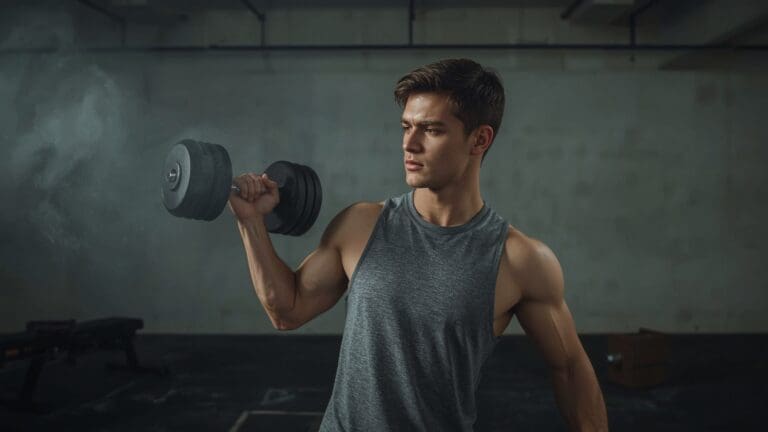
- Dumbbells and Kettlebells: These free weights come in various sizes. They’re versatile and can be used for a huge range of exercises targeting different muscles.
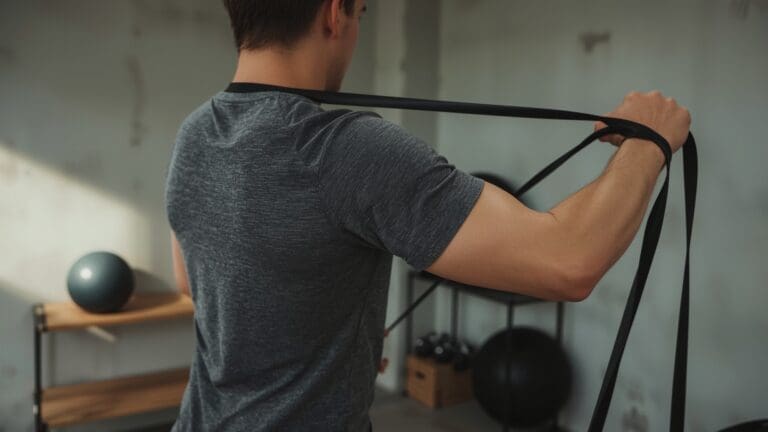
- Resistance Bands: These elastic bands provide resistance and are great for warm-ups, stretching, and adding a challenge to bodyweight exercises.
- TRX Suspension Trainers: These use your body weight and gravity to work your muscles. You’ll be using straps anchored to a wall or ceiling.
Don’t be afraid to ask gym staff for a quick demonstration if you’re unsure how to use any of these. They’re there to help you get the most out of your workout safely.
Making the Most of Your Gym Membership
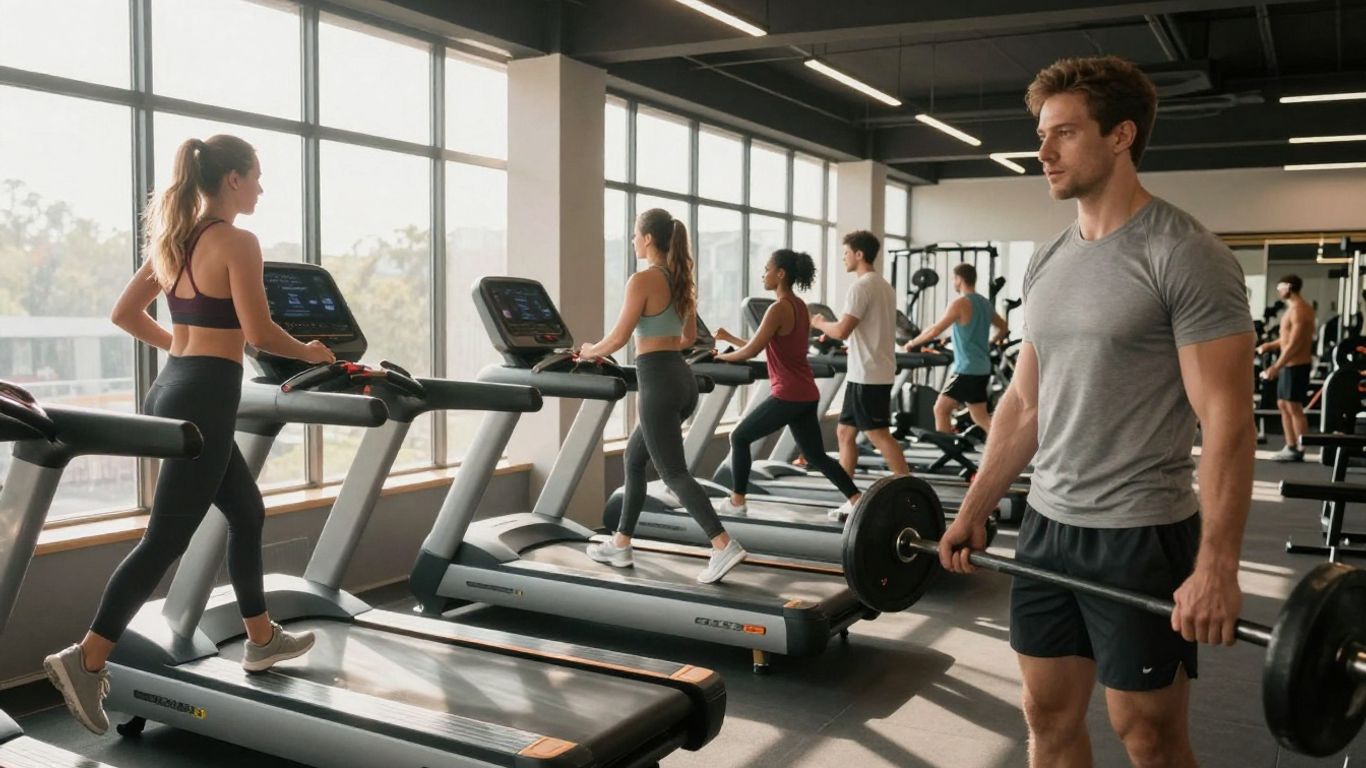
So you’ve signed up, you’ve got your gear, and you’re ready to go. That’s awesome! But how do you actually make sure this gym membership is worth it? It’s not just about showing up; it’s about making the gym a regular, productive part of your life. Let’s talk about a few things that can help you get the most bang for your buck and actually see the results you’re looking for.
Stay Hydrated Throughout Your Session
This one sounds simple, but it’s super important. Your body needs water to function, especially when you’re working out. When you sweat, you lose fluids, and if you don’t replace them, you can feel tired, get headaches, and your muscles won’t perform as well. Keep a water bottle with you and take sips regularly, not just when you feel thirsty. Think of it as fueling your workout from the inside out.
Don’t Compare Your Progress to Others
It’s easy to look around the gym and see people lifting heavy weights or running at super speeds and feel a bit… well, inadequate. But here’s the thing: everyone starts somewhere. That person who looks like a fitness pro today was probably a beginner once, just like you. Their journey is theirs, and yours is yours. Focus on your own path, celebrate your small wins, and remember why you started in the first place. Comparing yourself to others is a fast track to feeling discouraged. Instead, maybe chat with someone if you’re curious about their routine; most people are happy to share. Building a gym community can be really motivating.
Consistency is Key for Long-Term Results
Showing up once in a while won’t get you far. The real magic happens when you make exercise a habit. It doesn’t mean you have to go every single day, especially when you’re starting out. Maybe aim for two or three times a week to begin with. The goal is to build a routine that you can stick with. Over time, you can gradually increase the frequency or intensity. Think of it like this:
- Start Small: Don’t try to do too much too soon. A couple of shorter workouts a week is better than one long one you dread.
- Schedule It: Put your gym time in your calendar like any other important appointment.
- Be Patient: Results take time. Stick with it, and you’ll see changes.
The most effective workout plan is the one you’ll actually follow. Find a rhythm that works for your life and your body, and don’t be afraid to adjust as you go. Your gym membership is an investment in yourself, so make it count by showing up and putting in the effort, consistently.
Overcoming First-Time Gym Anxiety
It’s totally normal to feel a bit nervous when you first walk into a gym. There are a lot of people, lots of equipment, and it can feel like everyone knows exactly what they’re doing. But remember, every single person you see there was a beginner at some point. You’ve got this!
Consider Visiting During Off-Peak Hours
If the thought of a crowded gym makes you anxious, try going during times when it’s usually less busy. This often means mid-morning on weekdays or early afternoon. You’ll have more space to move around and get comfortable with the equipment without feeling rushed or watched. It’s a great way to get a feel for the place.
Bring a Friend for Support
Having a workout buddy can make a huge difference. Going with a friend means you have someone to chat with, try new things together, and keep each other motivated. It can make the whole experience feel less intimidating and more like a fun outing. Plus, you can help each other figure out machines or cheer each other on.
Focus on Your Personal Fitness Goals
Try to keep your mind on why you decided to join the gym in the first place. Are you looking to get stronger, feel healthier, or just have more energy? Remind yourself of your personal reasons. This focus can help push aside any worries about what others might think. Your fitness journey is about you and your progress, not about comparing yourself to anyone else. Setting small, achievable goals for your first few visits can also build your confidence. For example, aim to try three different strength machines or complete a 20-minute cardio session. Small wins add up!
Essential Gear for New Gym Members
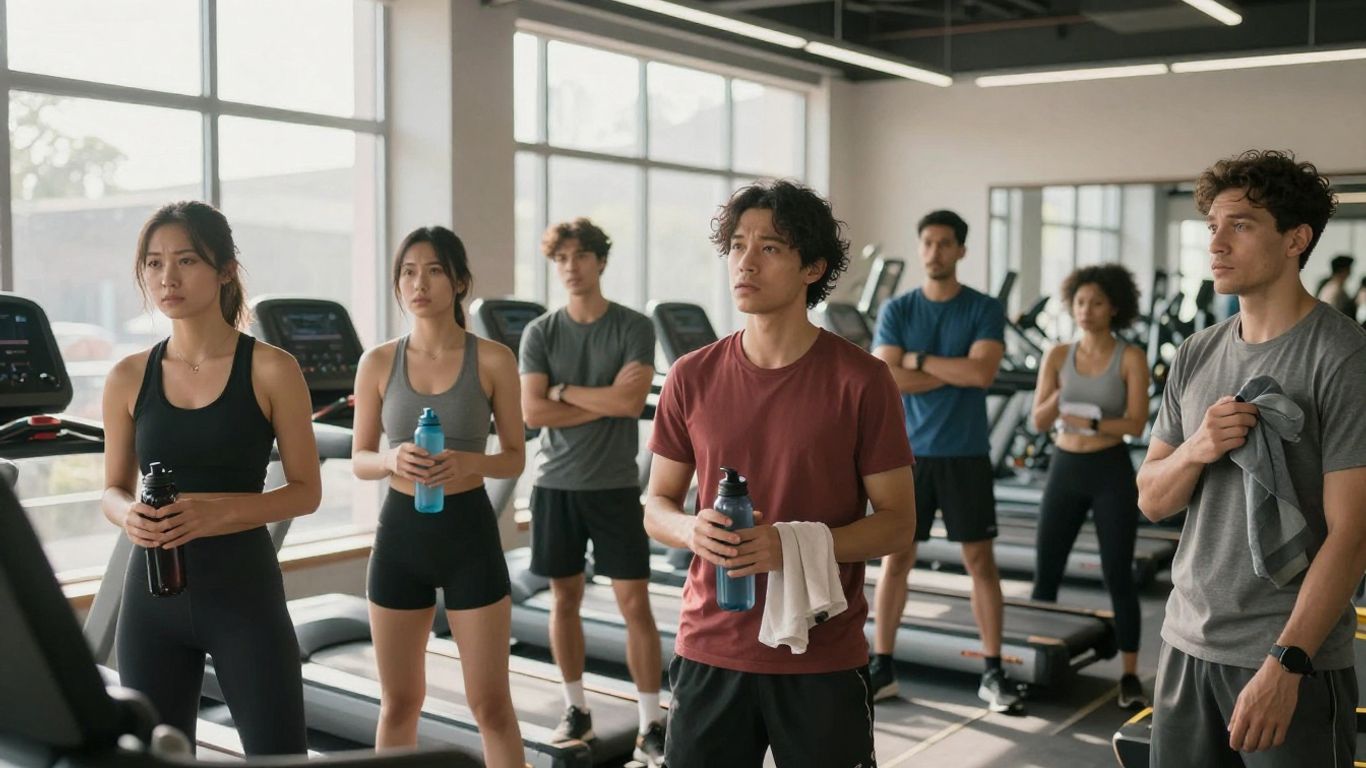
Walking into the gym for the first time can feel a bit overwhelming, and you might wonder what exactly you need to bring. Don’t worry, it’s simpler than you think! Having the right gear makes your workout smoother and more comfortable. It’s not about having the fanciest stuff, but about having the practical items that help you focus on your fitness.
Supportive Footwear for Training
Your feet are your foundation for pretty much every exercise you’ll do. Whether you’re on the treadmill, lifting weights, or using a machine, good shoes are a must. Look for trainers that offer decent support and cushioning. They should feel snug but not too tight, and give you a stable base. Avoid flimsy shoes like canvas sneakers, as they don’t offer enough support for the kind of movements you’ll be doing. Think about shoes that are designed for training, not just for walking around.
A Towel for Hygiene and Comfort
This one is super important. You’ll be sweating, and so will others. Bringing your own towel is a basic gym courtesy. Use it to wipe down any equipment you use after you’re done – think machines, benches, and even the handles of weights. This keeps things clean for the next person and shows respect for the gym space. Plus, you might want one to dry off a bit during your workout or after a quick rinse in the locker room.
A Reliable Gym Bag for Organization
To keep all your gear together and make your gym trips easy, a good gym bag is key. You don’t need anything huge, just something practical. Look for a bag with a few compartments so you can keep your shoes separate from your clean clothes, or your sweaty towel away from your water bottle. This helps you find what you need quickly when you get to the gym or when you’re packing up to leave. It keeps everything tidy and prevents you from forgetting something important.
Packing smart means you can focus on your workout, not on searching for your water bottle or realizing you forgot your headphones. A little preparation goes a long way in making your gym experience positive from the start.
Wrapping Up Your First Gym Adventure
So, you’ve made it through your first few gym visits! Remember, that initial feeling of being a bit lost is totally normal, and honestly, everyone in there started exactly where you are now. The most important thing is that you showed up and gave it a shot. Keep showing up, focus on what feels good for your body, and don’t be afraid to ask questions. Building a fitness routine takes time, so be patient with yourself, celebrate the small wins, and most importantly, try to have some fun with it. You’ve got this!
Frequently Asked Questions
What should I wear to the gym for the first time?
For your first gym visit, wear comfy clothes that let you move easily. Think athletic shorts or pants and a t-shirt or tank top. Make sure you have supportive athletic shoes, like sneakers, that are good for walking and exercising. Avoid wearing anything too baggy or restrictive.
Do I need to know how to use all the gym equipment before I go?
Not at all! Most gyms offer a quick tour or orientation for new members. Don’t be afraid to ask a staff member or a trainer to show you how a machine works. There are usually instructions on the machines too. It’s better to ask than to guess and risk getting hurt.
What’s the first thing I should do when I get to the gym?
When you first arrive, take a few minutes to get your bearings. Find out where the different areas are, like the cardio machines, weight machines, and locker rooms. Then, always start your workout with a warm-up. This usually involves 5-10 minutes of light cardio, like walking on the treadmill, and some simple stretches to get your body ready.
How long should my first workout be?
For your very first workout, keep it simple and relatively short. Aim for about 30-45 minutes. Focus on doing a few basic exercises that work your whole body, like squats, push-ups (or knee push-ups), and maybe some light weights on a machine. The goal is to get a feel for exercising, not to exhaust yourself.
Is it okay to feel nervous or awkward on my first day?
Absolutely! It’s totally normal to feel a little nervous or unsure when you’re new to the gym. Everyone there was a beginner at some point. Try to remember why you’re there and focus on your own workout. Going during less busy times or bringing a friend can also help ease those jitters.
What are the most important things to bring to the gym?
You’ll definitely want to bring a water bottle to stay hydrated. A towel is also a must for wiping down equipment after you use it and for your own comfort. If you plan to shower after your workout, bring toiletries and a change of clothes. A small lock for the locker room is also a good idea.